Buy educationpoints.eu ?
We are moving the project
educationpoints.eu .
Are you interested in purchasing the domain
educationpoints.eu ?
domain@kv-gmbh.de · 0541-91531010
Buy educationpoints.eu ?
Can one study art and educational sciences for teaching degree?
Yes, it is possible to study art and educational sciences for a teaching degree. Many universities offer programs that combine coursework in both art and educational sciences to prepare students for a career in teaching art. These programs typically provide a strong foundation in both disciplines, allowing students to develop the necessary skills and knowledge to effectively teach art in educational settings. By studying both art and educational sciences, aspiring teachers can gain a well-rounded understanding of how to incorporate artistic principles into their teaching practices. **
Can you simply paint silicate paint over dispersion paint, and can you paint dispersion paint over silicate paint after years?
It is generally not recommended to paint silicate paint over dispersion paint directly, as the two types of paint have different properties and may not adhere well to each other. However, it is possible to paint dispersion paint over silicate paint after several years, as long as the surface is properly prepared by cleaning and sanding to ensure good adhesion. It is always best to consult with a professional painter or follow the manufacturer's instructions for the specific types of paint being used. **
Similar search terms for Paint
Top-Angebote
Products related to Paint:
-
Colour Blocks Paint Sticks For Kids With 6 Character Topper Paint Sticks - Ages 3+ - Educational Toy TRENDS UK LTDINTRODUCTION TO THE WORLD OF COLOUR! Colourblocks Paint Stick Sets allow your child to explore the magic and excitement of Colourblocks with these bright and colourful paint sticks, offering the perfect way to explore the world of colour! The pack contains six different paint sticks complete with colourful colourblock character tops. With little or no mess, they create a happy experience for all! Get creative and have fun. FAST DRYING & EASY CLEAN-UP The Paint Sticks are fast-drying, often in under 60 seconds. The glide-on paint can be easily applied, and since it doesn’t require any brushes or water, far less time is needed for cleanup. Painting play can then be a happier and less stressful experience for both the child and the parent. SUPER EASY TWIST & PAINT The Colourblocks Paint Sticks offer a simple Twist & Paint action, which acts as a glue stick. Simply remove the cap, twist the tube to push the paint upwards, and then your child can start painting right away. They are also a nice, chunky shape, which is ideal for little children’s hands. POPPING WITH COLOURS & CHILD FRIENDLY All Colourblocks collections come in a variety of assorted super-bright, vibrant colours. All the paints are water-soluble and non-toxic, and all packs & tubes are readily recyclable. WORKS ON A VARIETY OF SURFACES The Colourblocks Paint Sticks can be used on a variety of different surfaces, including paper, card, canvas, wood and even glass, giving your child lots of creative freedom. You can simply wipe clean from glass and whiteboards using a damp cloth afterwards for minimal mess.12,99 £*Shipping: 2,99 £Secure redirect to the provider

-
Can one study art and educational sciences for teaching at university?
Yes, it is possible to study art and educational sciences for teaching at the university level. Many universities offer programs that combine the study of art with educational theory and practice, preparing students to become art teachers in schools or to work in other educational settings. These programs typically provide a strong foundation in both art and educational principles, allowing students to develop the skills and knowledge necessary to effectively teach art to students of all ages. Graduates of these programs may go on to pursue careers as art teachers, curriculum developers, or arts education advocates. **
-
Can you simply paint silicate paint over dispersion paint, and can you then paint dispersion paint over silicate paint after years?
It is not recommended to simply paint silicate paint over dispersion paint without proper preparation. The two types of paint have different properties and may not adhere well to each other, leading to issues such as peeling or flaking. Similarly, painting dispersion paint over silicate paint after years may also not yield good results due to the different compositions of the paints. It is best to consult with a professional or follow the manufacturer's guidelines for proper surface preparation and compatibility when switching between different types of paint. **
-
Can you paint with acrylic paint on spray paint?
Yes, you can paint with acrylic paint on top of spray paint. However, it is important to ensure that the spray paint is fully dry before applying the acrylic paint to prevent any smudging or mixing of colors. Additionally, using a primer or base coat before applying the acrylic paint can help improve adhesion and durability of the final artwork. Experimenting with different techniques and layering can also create interesting textures and effects when combining acrylic paint with spray paint. **
-
Can you paint a textured paint with emulsion paint?
Yes, you can create a textured effect using emulsion paint. One common method is to mix sand or another textured material into the emulsion paint to create a gritty texture. You can also use different tools like sponges, brushes, or rollers to apply the paint in a way that creates texture. Experimenting with different techniques and materials can help you achieve the desired textured effect with emulsion paint. **
Can you paint a textured paint with dispersion paint?
Yes, you can paint a textured surface with dispersion paint. Dispersion paint is a versatile option that can be used on a variety of surfaces, including textured ones. However, it's important to properly prepare the textured surface before applying the dispersion paint to ensure good adhesion and a smooth finish. This may involve filling in any deep grooves or uneven areas and sanding the surface to create a more even texture. Once the surface is properly prepared, dispersion paint can be applied with a roller or brush to achieve a fresh, new look. **
Can you paint with acrylic paint over spray paint?
Yes, you can paint with acrylic paint over spray paint. However, it is important to make sure that the spray paint is completely dry before applying the acrylic paint on top to prevent any smudging or mixing of colors. It is also recommended to lightly sand the surface of the spray paint to create a better surface for the acrylic paint to adhere to. Additionally, using a primer before applying the acrylic paint can help improve the adhesion and longevity of the paint layers. **
Top-Angebote
Products related to Paint:
-
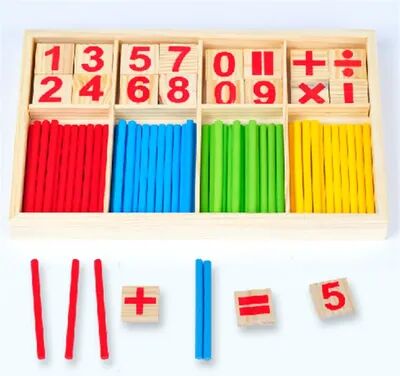
Smart Shopping Spot Wooden Digital Stick Educational Toys For Children, Montessori Math Teaching Aid For Knowledge Wooden Digital Stick Educational Toys For Children, Montessori Math Teaching Aid For KnowledgeFun and Engaging Learning Tool Introduce your child to the world of mathematics enlightenment with these Wooden Educational Toys. Designed to foster a love for learning, this Montessoriinspired tool uses digital sticks to make math both fun and...34,97 $*Shipping: 0,00 $Secure redirect to the provider
-
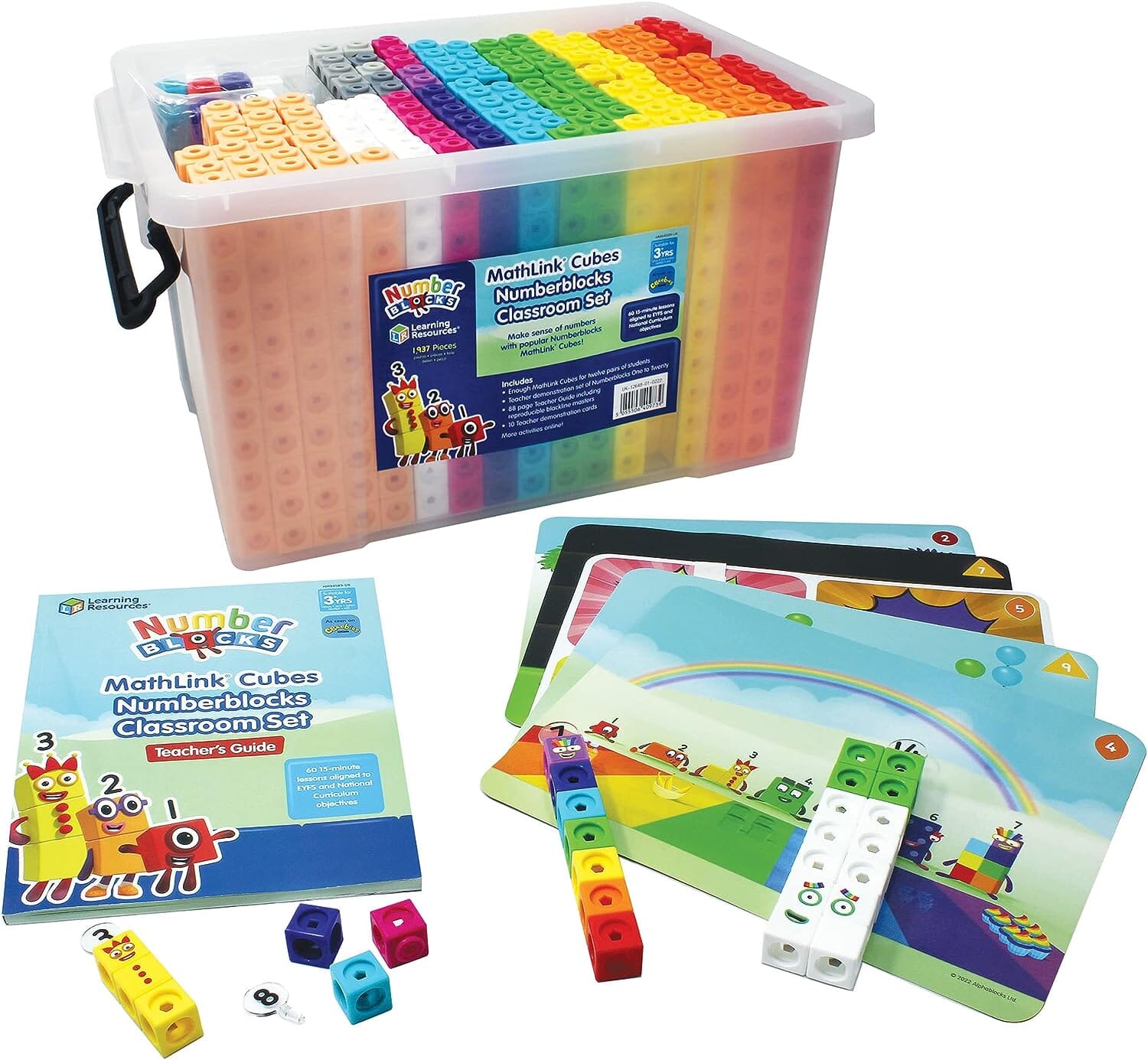
MathLink® Cubes Numberblocks Classroom Set - Ages 3+ - Educational Toy Learning ResourcesThis is the ultimate Numberblocks maths resources set developed to help teachers bring the maths concepts seen in the award-winning CBeebies TV series to life in the classroom. The set includes everything 12 pairs of pupils need to complete the 60 x 15-minute maths learning activities included in the comprehensive 88-page Teacher’s Guide. Activities align with the EYFS and National Curriculum objectives. The ultimate set for teachers to help children master maths by bringing the concepts shown in the award-winning TV series to life in the classroom. Developed to support maths learning in the classroom, this set uses the included comprehensive 88-page Teacher’s Guide to help children build essential early years maths skills including counting, place value, cardinality, subitising, composing and decomposing numbers, skip counting, addition, subtraction, and more for numbers 1-20. The quick and easy lessons incorporate group discussion and hands-on activities in 15 minutes. The Teacher’s Guide is split into three units. Unit one focuses on Numberblocks One to Five. Unit two focuses on Six to Ten, and unit three focuses on Eleven to Twenty. Lessons align with the EYFS and National Curriculum framework. The set has everything 12 pairs of pupils need to complete the activities featured in the Teacher’s Guide. Includes 1905 special edition Numberblocks MathLink Cubes, 20 Numberlings for One to Twenty, 5 double-sided demonstration cards, and the comprehensive Teacher’s Guide in a convenient storage tote.289,99 £*Shipping: 0,00 £Secure redirect to the provider
-
Colour Blocks Paint Sticks For Kids With 6 Character Topper Paint Sticks - Ages 3+ - Educational Toy TRENDS UK LTDINTRODUCTION TO THE WORLD OF COLOUR! Colourblocks Paint Stick Sets allow your child to explore the magic and excitement of Colourblocks with these bright and colourful paint sticks, offering the perfect way to explore the world of colour! The pack contains six different paint sticks complete with colourful colourblock character tops. With little or no mess, they create a happy experience for all! Get creative and have fun. FAST DRYING & EASY CLEAN-UP The Paint Sticks are fast-drying, often in under 60 seconds. The glide-on paint can be easily applied, and since it doesn’t require any brushes or water, far less time is needed for cleanup. Painting play can then be a happier and less stressful experience for both the child and the parent. SUPER EASY TWIST & PAINT The Colourblocks Paint Sticks offer a simple Twist & Paint action, which acts as a glue stick. Simply remove the cap, twist the tube to push the paint upwards, and then your child can start painting right away. They are also a nice, chunky shape, which is ideal for little children’s hands. POPPING WITH COLOURS & CHILD FRIENDLY All Colourblocks collections come in a variety of assorted super-bright, vibrant colours. All the paints are water-soluble and non-toxic, and all packs & tubes are readily recyclable. WORKS ON A VARIETY OF SURFACES The Colourblocks Paint Sticks can be used on a variety of different surfaces, including paper, card, canvas, wood and even glass, giving your child lots of creative freedom. You can simply wipe clean from glass and whiteboards using a damp cloth afterwards for minimal mess.12,99 £*Shipping: 2,99 £Secure redirect to the provider
-
Can one study art and educational sciences for teaching degree?
Yes, it is possible to study art and educational sciences for a teaching degree. Many universities offer programs that combine coursework in both art and educational sciences to prepare students for a career in teaching art. These programs typically provide a strong foundation in both disciplines, allowing students to develop the necessary skills and knowledge to effectively teach art in educational settings. By studying both art and educational sciences, aspiring teachers can gain a well-rounded understanding of how to incorporate artistic principles into their teaching practices. **
-
Can you simply paint silicate paint over dispersion paint, and can you paint dispersion paint over silicate paint after years?
It is generally not recommended to paint silicate paint over dispersion paint directly, as the two types of paint have different properties and may not adhere well to each other. However, it is possible to paint dispersion paint over silicate paint after several years, as long as the surface is properly prepared by cleaning and sanding to ensure good adhesion. It is always best to consult with a professional painter or follow the manufacturer's instructions for the specific types of paint being used. **
-
Can one study art and educational sciences for teaching at university?
Yes, it is possible to study art and educational sciences for teaching at the university level. Many universities offer programs that combine the study of art with educational theory and practice, preparing students to become art teachers in schools or to work in other educational settings. These programs typically provide a strong foundation in both art and educational principles, allowing students to develop the skills and knowledge necessary to effectively teach art to students of all ages. Graduates of these programs may go on to pursue careers as art teachers, curriculum developers, or arts education advocates. **
-
Can you simply paint silicate paint over dispersion paint, and can you then paint dispersion paint over silicate paint after years?
It is not recommended to simply paint silicate paint over dispersion paint without proper preparation. The two types of paint have different properties and may not adhere well to each other, leading to issues such as peeling or flaking. Similarly, painting dispersion paint over silicate paint after years may also not yield good results due to the different compositions of the paints. It is best to consult with a professional or follow the manufacturer's guidelines for proper surface preparation and compatibility when switching between different types of paint. **
Similar search terms for Paint
-
Can you paint with acrylic paint on spray paint?
Yes, you can paint with acrylic paint on top of spray paint. However, it is important to ensure that the spray paint is fully dry before applying the acrylic paint to prevent any smudging or mixing of colors. Additionally, using a primer or base coat before applying the acrylic paint can help improve adhesion and durability of the final artwork. Experimenting with different techniques and layering can also create interesting textures and effects when combining acrylic paint with spray paint. **
-
Can you paint a textured paint with emulsion paint?
Yes, you can create a textured effect using emulsion paint. One common method is to mix sand or another textured material into the emulsion paint to create a gritty texture. You can also use different tools like sponges, brushes, or rollers to apply the paint in a way that creates texture. Experimenting with different techniques and materials can help you achieve the desired textured effect with emulsion paint. **
-
Can you paint a textured paint with dispersion paint?
Yes, you can paint a textured surface with dispersion paint. Dispersion paint is a versatile option that can be used on a variety of surfaces, including textured ones. However, it's important to properly prepare the textured surface before applying the dispersion paint to ensure good adhesion and a smooth finish. This may involve filling in any deep grooves or uneven areas and sanding the surface to create a more even texture. Once the surface is properly prepared, dispersion paint can be applied with a roller or brush to achieve a fresh, new look. **
-
Can you paint with acrylic paint over spray paint?
Yes, you can paint with acrylic paint over spray paint. However, it is important to make sure that the spray paint is completely dry before applying the acrylic paint on top to prevent any smudging or mixing of colors. It is also recommended to lightly sand the surface of the spray paint to create a better surface for the acrylic paint to adhere to. Additionally, using a primer before applying the acrylic paint can help improve the adhesion and longevity of the paint layers. **
* All prices are inclusive of VAT and, if applicable, plus shipping costs. The offer information is based on the details provided by the respective shop and is updated through automated processes. Real-time updates do not occur, so deviations can occur in individual cases. ** Note: Parts of this content were created by AI.