Buy educationpoints.eu ?
We are moving the project
educationpoints.eu .
Are you interested in purchasing the domain
educationpoints.eu ?
domain@kv-gmbh.de · 0541-91531010
Buy educationpoints.eu ?
Should one only study the learning objectives for an open-book exam?
While it may be tempting to only study the learning objectives for an open-book exam, it is important to have a thorough understanding of the material. Simply relying on the learning objectives may not provide a comprehensive understanding of the subject matter, which could lead to difficulty in finding and applying the information during the exam. It is best to study the material in depth and use the learning objectives as a guide to ensure that all key concepts are covered. This approach will better prepare you to effectively use the resources available during the exam. **
How is the assessment of learning objectives conducted?
The assessment of learning objectives is typically conducted through various methods such as exams, quizzes, projects, presentations, and assignments. These assessments are designed to measure students' understanding and mastery of the learning objectives outlined in the curriculum. Teachers may use rubrics, grading criteria, and feedback to evaluate students' performance and provide guidance for improvement. The results of these assessments help teachers identify areas where students may need additional support and tailor their teaching strategies accordingly. **
Similar search terms for Objectives
Top-Angebote
Products related to Objectives:
-
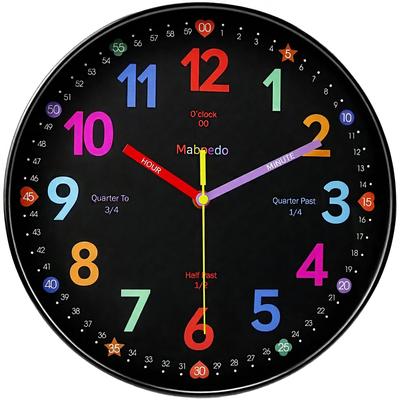
Perfect Picks Market Kids Learning Clock Silent Analog Teaching Wall Clock For Classroom & Bedroom Inch black 10 InchTransform learning into an exciting daily adventure with this Kids learning clock designed to help children master time with confidence. Featuring colorful numbers, clearly marked hands, and an easytoread analog display, it's perfect for young...69,97 $*Shipping: 0,00 $Secure redirect to the provider
-
JoyToys Montessori Wooden Learning Clock Time Teaching Puzzle For Kids Montessori Wooden Learning Clock Time Teaching Puzzle For KidsLearn through play with our wooden learning clock, designed to help children confidently understand time while developing essential early learning skills. This engaging Montessori clock combines handson puzzle play with interactive time practice,...29,97 $*Shipping: 0,00 $Secure redirect to the provider
-
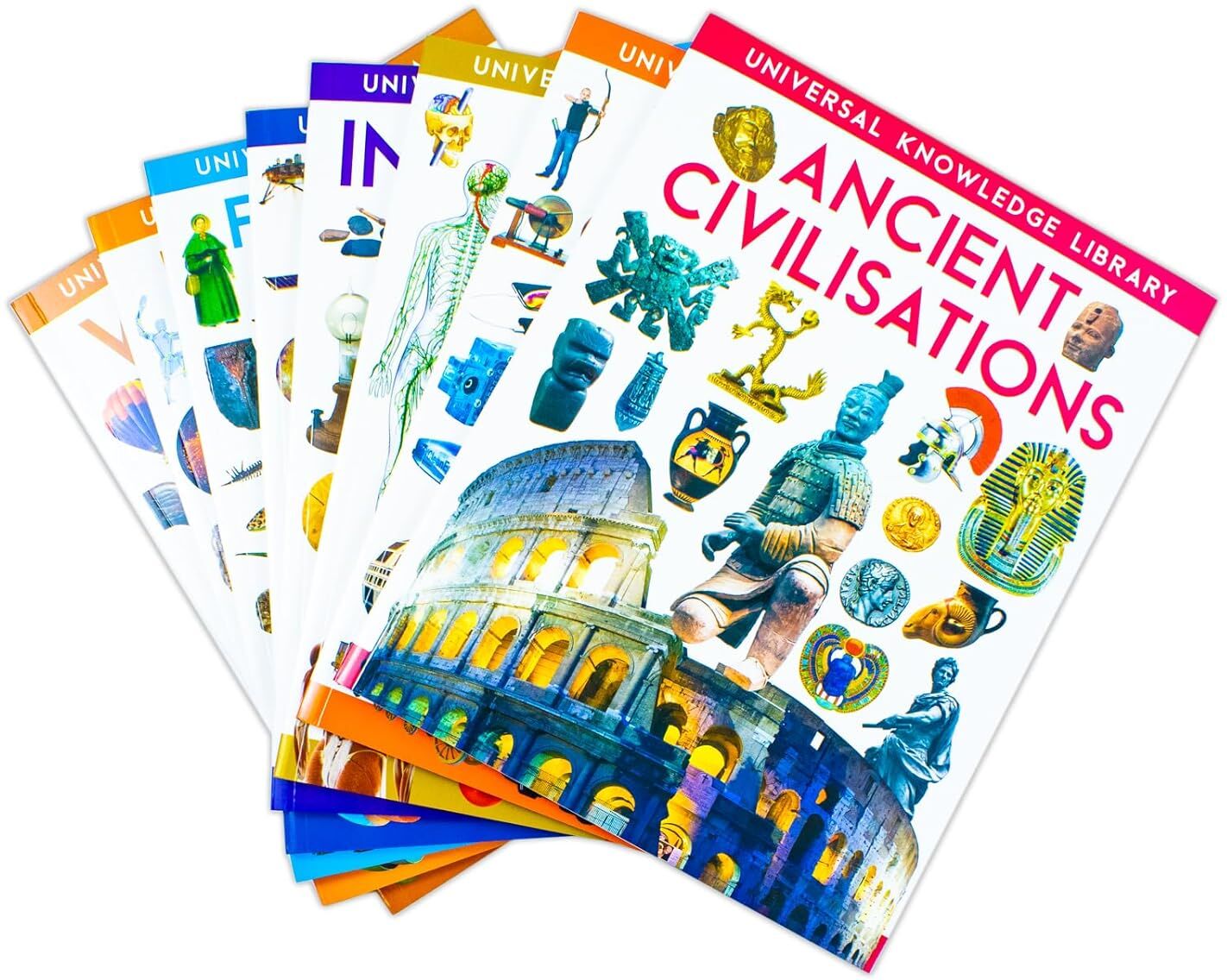
Fox Eye Publishing Universal Knowledge Library Science and History 8 Volume Book Collection Set – Ancient Civilisations, Human Body, Universe & Educational Learning BookUniversal Knowledge Library: Science and History - 8 Volumes Introduction: Welcome to the Universal Knowledge Library, a magical collection that opens the door to the wonders of science and history. These eight beautifully illustrated books will take you on exciting adventures, where you'll explore ancient civilizations, discover amazing inventions, and learn about the mysteries of the universe. Get ready to embark on a journey of discovery and wonder! Ancient Civilisations: Travel back in time to explore the incredible stories of ancient civilizations like Egypt, Greece, and Rome. Learn about their cultures, inventions, and the people who shaped history. Inventions: Uncover the amazing inventions that changed the world, from the wheel and the printing press to modern-day gadgets. Discover how these creations have made our lives easier and more exciting. Prehistoric Life: Step into the world of dinosaurs and other prehistoric creatures. Find out how these incredible animals lived millions of years ago and what scientists have learned from their fossils. Universe: Look up at the night sky and explore the vast universe. Learn about stars, galaxies, black holes, and the fascinating science behind the cosmos. Energy: Dive into the world of energy and discover how it powers everything around us. From the food we eat to the electricity that lights our homes, energy is all around us! Human Body: Take a fantastic journey inside the human body. Learn about how our organs work, how we grow, and the amazing ways our bodies keep us healthy. Planets: Visit the planets in our solar system and beyond. Discover the unique features of each planet and what makes Earth so special. Weather: Understand the science of weather and how it affects our daily lives. Learn about rain, snow, storms, and the fascinating patterns of our planet's climate. With the Universal Knowledge Library, each book is a new adventure waiting to be explored. Open the pages and let your curiosity lead the way!17,99 £*Shipping: 2,99 £Secure redirect to the provider
-
Scholastic Teaching Resources Sight Word Readers Classroom Box SetJumpstart reading success with this irresistible collection of 125 little books that introduce and reinforce the first 50 must-know sight words! Each set includes a sturdy storage box stocked with 5 copies of 25 delightful tales—each presenting two...101,99 $*Shipping: 0,00 $Secure redirect to the provider


-
What are the learning objectives of a fairy tale lecture?
The learning objectives of a fairy tale lecture may include: 1. Understanding the cultural and historical significance of fairy tales and their impact on society. 2. Analyzing the themes, characters, and symbolism present in fairy tales to develop critical thinking skills. 3. Exploring the evolution of fairy tales and their adaptation in different cultures and time periods. 4. Examining the moral lessons and values conveyed in fairy tales to promote ethical and empathetic decision-making. 5. Appreciating the literary and artistic elements of fairy tales to enhance creativity and imagination. **
-
What learning objectives can be set in relation to communication?
Learning objectives related to communication can include improving active listening skills, developing effective verbal and nonverbal communication, understanding different communication styles, and enhancing interpersonal communication skills. Additionally, objectives can focus on improving written communication, such as crafting clear and concise messages, and developing the ability to adapt communication to different audiences and contexts. Overall, the goal is to help individuals become more effective and confident communicators in both personal and professional settings. **
-
What are microscope objectives?
Microscope objectives are the lenses located at the lower end of a microscope that are responsible for magnifying the specimen being observed. They come in various magnification powers, such as 4x, 10x, 40x, and 100x, and are often color-coded for easy identification. The quality and design of microscope objectives can greatly impact the clarity and resolution of the images produced. Different objectives are used for different levels of magnification, allowing scientists and researchers to view specimens at various levels of detail. **
-
Which objectives fit this microscope?
This microscope is best suited for educational purposes, such as in schools or universities, where students can observe biological samples or other small objects. It is also suitable for hobbyists or amateur scientists who want to explore the microscopic world. Additionally, it can be used for basic research or quality control in industries that require magnification of small components. **


What is meant by research objectives?
Research objectives are specific, measurable goals that a researcher aims to achieve through a research study. These objectives outline the purpose and focus of the research, guiding the researcher in designing the study, collecting data, and analyzing results. They help to clarify what the researcher hopes to accomplish and provide a framework for evaluating the success of the research. Research objectives also help to ensure that the study is focused and relevant to the research question or problem being addressed. **
What are the general and specific learning objectives when making fruit salad in kindergarten?
The general learning objective when making fruit salad in kindergarten is to introduce children to healthy eating habits and the importance of consuming fruits. Specific learning objectives include teaching children about different types of fruits, their colors, textures, and tastes. Additionally, making fruit salad helps children develop fine motor skills through activities like cutting, peeling, and mixing fruits. Overall, the activity aims to promote healthy eating, sensory exploration, and fine motor skill development in young children. **
Top-Angebote
Products related to Objectives:
-
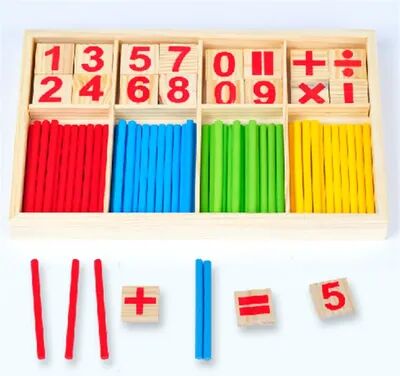
Smart Shopping Spot Wooden Digital Stick Educational Toys For Children, Montessori Math Teaching Aid For Knowledge Wooden Digital Stick Educational Toys For Children, Montessori Math Teaching Aid For KnowledgeFun and Engaging Learning Tool Introduce your child to the world of mathematics enlightenment with these Wooden Educational Toys. Designed to foster a love for learning, this Montessoriinspired tool uses digital sticks to make math both fun and...34,97 $*Shipping: 0,00 $Secure redirect to the provider
-
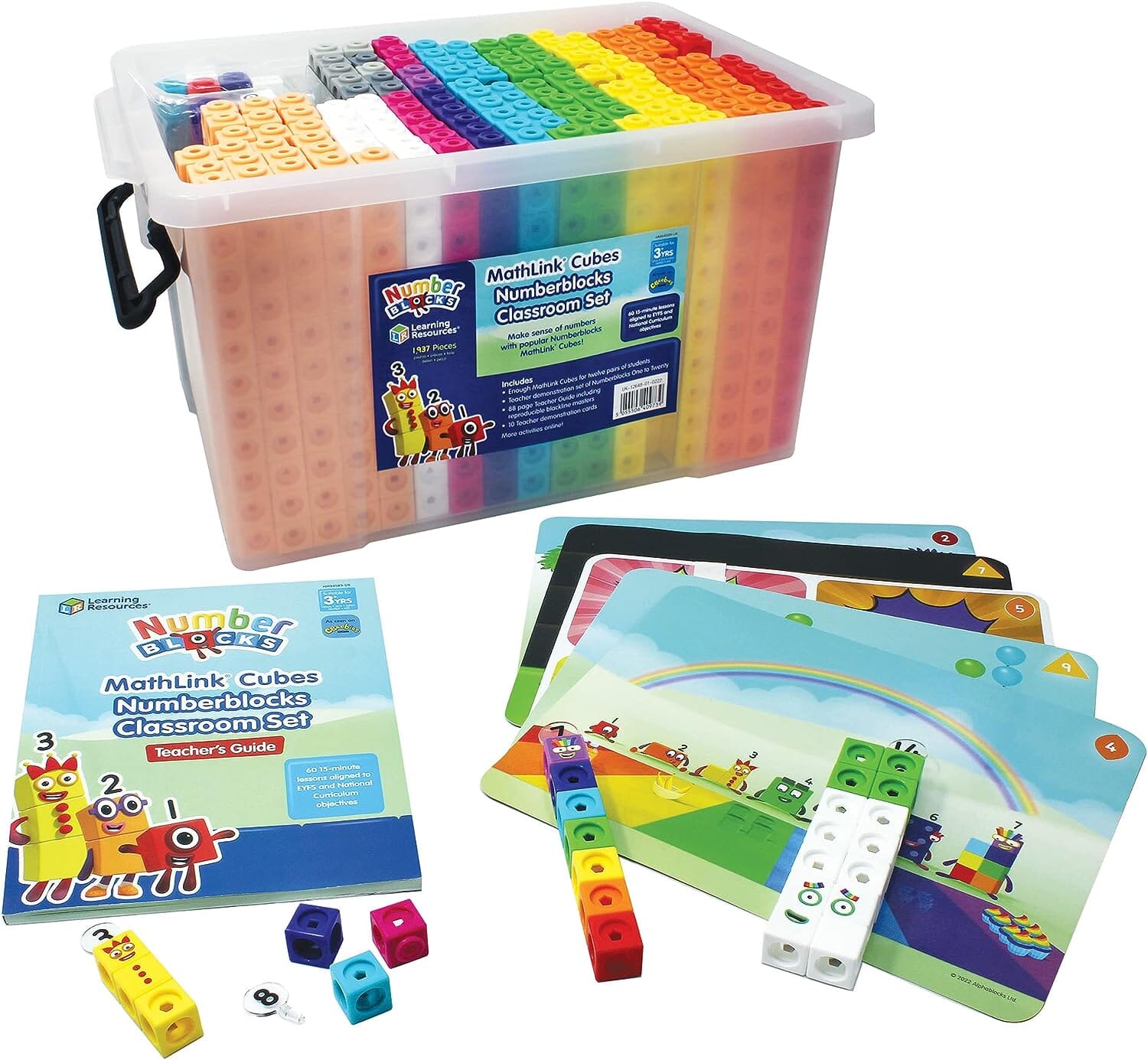
MathLink® Cubes Numberblocks Classroom Set - Ages 3+ - Educational Toy Learning ResourcesThis is the ultimate Numberblocks maths resources set developed to help teachers bring the maths concepts seen in the award-winning CBeebies TV series to life in the classroom. The set includes everything 12 pairs of pupils need to complete the 60 x 15-minute maths learning activities included in the comprehensive 88-page Teacher’s Guide. Activities align with the EYFS and National Curriculum objectives. The ultimate set for teachers to help children master maths by bringing the concepts shown in the award-winning TV series to life in the classroom. Developed to support maths learning in the classroom, this set uses the included comprehensive 88-page Teacher’s Guide to help children build essential early years maths skills including counting, place value, cardinality, subitising, composing and decomposing numbers, skip counting, addition, subtraction, and more for numbers 1-20. The quick and easy lessons incorporate group discussion and hands-on activities in 15 minutes. The Teacher’s Guide is split into three units. Unit one focuses on Numberblocks One to Five. Unit two focuses on Six to Ten, and unit three focuses on Eleven to Twenty. Lessons align with the EYFS and National Curriculum framework. The set has everything 12 pairs of pupils need to complete the activities featured in the Teacher’s Guide. Includes 1905 special edition Numberblocks MathLink Cubes, 20 Numberlings for One to Twenty, 5 double-sided demonstration cards, and the comprehensive Teacher’s Guide in a convenient storage tote.289,99 £*Shipping: 0,00 £Secure redirect to the provider
-
Perfect Picks Market Kids Learning Clock Silent Analog Teaching Wall Clock For Classroom & Bedroom Inch black 10 InchTransform learning into an exciting daily adventure with this Kids learning clock designed to help children master time with confidence. Featuring colorful numbers, clearly marked hands, and an easytoread analog display, it's perfect for young...69,97 $*Shipping: 0,00 $Secure redirect to the provider
-
JoyToys Montessori Wooden Learning Clock Time Teaching Puzzle For Kids Montessori Wooden Learning Clock Time Teaching Puzzle For KidsLearn through play with our wooden learning clock, designed to help children confidently understand time while developing essential early learning skills. This engaging Montessori clock combines handson puzzle play with interactive time practice,...29,97 $*Shipping: 0,00 $Secure redirect to the provider
-
Should one only study the learning objectives for an open-book exam?
While it may be tempting to only study the learning objectives for an open-book exam, it is important to have a thorough understanding of the material. Simply relying on the learning objectives may not provide a comprehensive understanding of the subject matter, which could lead to difficulty in finding and applying the information during the exam. It is best to study the material in depth and use the learning objectives as a guide to ensure that all key concepts are covered. This approach will better prepare you to effectively use the resources available during the exam. **
-
How is the assessment of learning objectives conducted?
The assessment of learning objectives is typically conducted through various methods such as exams, quizzes, projects, presentations, and assignments. These assessments are designed to measure students' understanding and mastery of the learning objectives outlined in the curriculum. Teachers may use rubrics, grading criteria, and feedback to evaluate students' performance and provide guidance for improvement. The results of these assessments help teachers identify areas where students may need additional support and tailor their teaching strategies accordingly. **
-
What are the learning objectives of a fairy tale lecture?
The learning objectives of a fairy tale lecture may include: 1. Understanding the cultural and historical significance of fairy tales and their impact on society. 2. Analyzing the themes, characters, and symbolism present in fairy tales to develop critical thinking skills. 3. Exploring the evolution of fairy tales and their adaptation in different cultures and time periods. 4. Examining the moral lessons and values conveyed in fairy tales to promote ethical and empathetic decision-making. 5. Appreciating the literary and artistic elements of fairy tales to enhance creativity and imagination. **
-
What learning objectives can be set in relation to communication?
Learning objectives related to communication can include improving active listening skills, developing effective verbal and nonverbal communication, understanding different communication styles, and enhancing interpersonal communication skills. Additionally, objectives can focus on improving written communication, such as crafting clear and concise messages, and developing the ability to adapt communication to different audiences and contexts. Overall, the goal is to help individuals become more effective and confident communicators in both personal and professional settings. **
Similar search terms for Objectives
-
Fox Eye Publishing Universal Knowledge Library Science and History 8 Volume Book Collection Set – Ancient Civilisations, Human Body, Universe & Educational Learning BookUniversal Knowledge Library: Science and History - 8 Volumes Introduction: Welcome to the Universal Knowledge Library, a magical collection that opens the door to the wonders of science and history. These eight beautifully illustrated books will take you on exciting adventures, where you'll explore ancient civilizations, discover amazing inventions, and learn about the mysteries of the universe. Get ready to embark on a journey of discovery and wonder! Ancient Civilisations: Travel back in time to explore the incredible stories of ancient civilizations like Egypt, Greece, and Rome. Learn about their cultures, inventions, and the people who shaped history. Inventions: Uncover the amazing inventions that changed the world, from the wheel and the printing press to modern-day gadgets. Discover how these creations have made our lives easier and more exciting. Prehistoric Life: Step into the world of dinosaurs and other prehistoric creatures. Find out how these incredible animals lived millions of years ago and what scientists have learned from their fossils. Universe: Look up at the night sky and explore the vast universe. Learn about stars, galaxies, black holes, and the fascinating science behind the cosmos. Energy: Dive into the world of energy and discover how it powers everything around us. From the food we eat to the electricity that lights our homes, energy is all around us! Human Body: Take a fantastic journey inside the human body. Learn about how our organs work, how we grow, and the amazing ways our bodies keep us healthy. Planets: Visit the planets in our solar system and beyond. Discover the unique features of each planet and what makes Earth so special. Weather: Understand the science of weather and how it affects our daily lives. Learn about rain, snow, storms, and the fascinating patterns of our planet's climate. With the Universal Knowledge Library, each book is a new adventure waiting to be explored. Open the pages and let your curiosity lead the way!17,99 £*Shipping: 2,99 £Secure redirect to the provider
-
Scholastic Teaching Resources Sight Word Readers Classroom Box SetJumpstart reading success with this irresistible collection of 125 little books that introduce and reinforce the first 50 must-know sight words! Each set includes a sturdy storage box stocked with 5 copies of 25 delightful tales—each presenting two...101,99 $*Shipping: 0,00 $Secure redirect to the provider
-
Tiny Tots Teens Trends Kids Montessori Wooden Clock Toy, Time Learning Teaching Aids, Educational For Children, Primary School Clever Board Toy pinkIntroducing the Kids Montessori Wooden Clock Toy, a perfect educational tool that teaches children how to understand time while developing essential motor skills. This beautifully crafted clock toy is made from natural and sustainable solid wood,...29,97 $*Shipping: 0,00 $Secure redirect to the provider
-
Perfect Picks Market Kids Learning Clock Silent Analog Teaching Wall Clock For Classroom & Bedroom Inch white 8 InchTransform learning into an exciting daily adventure with this Kids learning clock designed to help children master time with confidence. Featuring colorful numbers, clearly marked hands, and an easytoread analog display, it's perfect for young...54,97 $*Shipping: 0,00 $Secure redirect to the provider
-
What are microscope objectives?
Microscope objectives are the lenses located at the lower end of a microscope that are responsible for magnifying the specimen being observed. They come in various magnification powers, such as 4x, 10x, 40x, and 100x, and are often color-coded for easy identification. The quality and design of microscope objectives can greatly impact the clarity and resolution of the images produced. Different objectives are used for different levels of magnification, allowing scientists and researchers to view specimens at various levels of detail. **
-
Which objectives fit this microscope?
This microscope is best suited for educational purposes, such as in schools or universities, where students can observe biological samples or other small objects. It is also suitable for hobbyists or amateur scientists who want to explore the microscopic world. Additionally, it can be used for basic research or quality control in industries that require magnification of small components. **
-
What is meant by research objectives?
Research objectives are specific, measurable goals that a researcher aims to achieve through a research study. These objectives outline the purpose and focus of the research, guiding the researcher in designing the study, collecting data, and analyzing results. They help to clarify what the researcher hopes to accomplish and provide a framework for evaluating the success of the research. Research objectives also help to ensure that the study is focused and relevant to the research question or problem being addressed. **
-
What are the general and specific learning objectives when making fruit salad in kindergarten?
The general learning objective when making fruit salad in kindergarten is to introduce children to healthy eating habits and the importance of consuming fruits. Specific learning objectives include teaching children about different types of fruits, their colors, textures, and tastes. Additionally, making fruit salad helps children develop fine motor skills through activities like cutting, peeling, and mixing fruits. Overall, the activity aims to promote healthy eating, sensory exploration, and fine motor skill development in young children. **
* All prices are inclusive of VAT and, if applicable, plus shipping costs. The offer information is based on the details provided by the respective shop and is updated through automated processes. Real-time updates do not occur, so deviations can occur in individual cases. ** Note: Parts of this content were created by AI.