Buy educationpoints.eu ?
We are moving the project
educationpoints.eu .
Are you interested in purchasing the domain
educationpoints.eu ?
domain@kv-gmbh.de · 0541-91531010
Buy educationpoints.eu ?
What is the difference between Monstera deliciosa and Monstera pertusum?
Monstera deliciosa and Monstera pertusum are actually the same plant. Monstera pertusum is the former scientific name for this species, and Monstera deliciosa is the current accepted name. The plant is commonly known as the Swiss cheese plant due to the holes and splits in its leaves, and it is a popular houseplant known for its unique foliage. Therefore, there is no actual difference between Monstera deliciosa and Monstera pertusum, as they refer to the same plant. **
What helped my Monstera?
Your Monstera likely benefited from a few key factors. Firstly, it likely thrived in a well-draining potting mix that provided good aeration for its roots. Additionally, it probably received the right amount of sunlight, as Monstera plants prefer bright, indirect light. Regular watering and occasional misting may have also contributed to its health, as Monstera plants enjoy consistently moist soil and high humidity. Overall, a combination of proper soil, light, and water likely helped your Monstera thrive. **
Similar search terms for Monstera
Top-Angebote
Products related to Monstera:
-
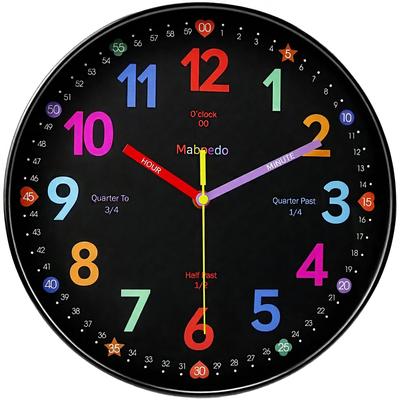
Perfect Picks Market Kids Learning Clock Silent Analog Teaching Wall Clock For Classroom & Bedroom Inch black 10 InchTransform learning into an exciting daily adventure with this Kids learning clock designed to help children master time with confidence. Featuring colorful numbers, clearly marked hands, and an easytoread analog display, it's perfect for young...69,97 $*Shipping: 0,00 $Secure redirect to the provider
-
"Monstera 35 ½"" MOD LIGHTING"Bring bold greenery into your space with the Artificial Monstera, loved for its iconic split leaves and tropical charm. A symbol of vitality and abundance, it adds instant vibrancy and style to any room. With its ultra-realistic design, it stays...299,95 $*Shipping: 0,00 $Secure redirect to the provider



-
Is my Monstera sick?
To determine if your Monstera is sick, look for signs such as yellowing or browning leaves, wilting, or unusual spots on the leaves. Check the soil for overwatering or underwatering, as improper watering can lead to health issues for the plant. Additionally, inspect the plant for pests such as spider mites or mealybugs. If you notice any of these symptoms, take appropriate action such as adjusting the watering schedule, treating for pests, or repotting the plant if necessary. If you're unsure, consult with a plant expert for further guidance. **
-
What is Monstera mold?
Monstera mold refers to the white, powdery substance that can develop on the leaves of Monstera plants. This mold is actually a type of fungus called powdery mildew, which thrives in warm, humid conditions. It can be harmful to the plant if left untreated, as it can inhibit photosynthesis and weaken the plant. To prevent Monstera mold, it's important to maintain good air circulation around the plant and avoid overwatering. If mold does develop, it can be treated with a fungicide or by gently wiping the leaves with a damp cloth. **
-
What does Monstera do?
Monstera is a plant that is known for its large, glossy, and unique leaves. It is often used as a decorative houseplant and is popular for its tropical and exotic appearance. Monstera is also known for its air-purifying properties, making it a great addition to indoor spaces. Additionally, Monstera can be propagated easily, making it a popular choice for plant enthusiasts looking to expand their collection. **
-
What does the Monstera have?
The Monstera plant has large, glossy green leaves that are uniquely shaped with natural holes or splits, giving it a distinctive tropical appearance. These holes are called fenestrations and are a characteristic feature of the Monstera plant. The plant's leaves can grow quite large, making it a popular choice for indoor decoration. Additionally, the Monstera is known for its easy care requirements, making it a favorite among plant enthusiasts. **


Does the Monstera plant cry?
No, the Monstera plant does not cry. Plants do not have emotions or the ability to produce tears like humans or animals. The Monstera plant may release water droplets through a process called guttation, but this is a natural physiological process and not a form of crying. **
What does my Monstera need?
Your Monstera plant needs bright, indirect light to thrive. It also requires well-draining soil to prevent root rot and regular watering, allowing the top inch of soil to dry out between waterings. Additionally, it benefits from occasional misting to increase humidity levels, especially in drier environments. Finally, fertilize your Monstera every 4-6 weeks during the growing season to provide it with essential nutrients for healthy growth. **
Top-Angebote
Products related to Monstera:
-
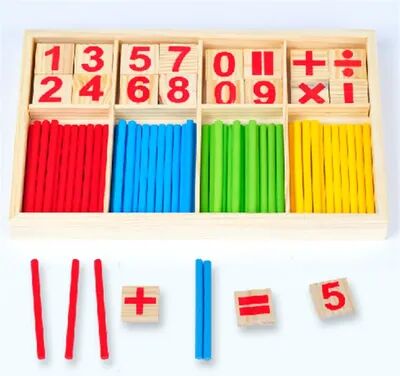
Smart Shopping Spot Wooden Digital Stick Educational Toys For Children, Montessori Math Teaching Aid For Knowledge Wooden Digital Stick Educational Toys For Children, Montessori Math Teaching Aid For KnowledgeFun and Engaging Learning Tool Introduce your child to the world of mathematics enlightenment with these Wooden Educational Toys. Designed to foster a love for learning, this Montessoriinspired tool uses digital sticks to make math both fun and...34,97 $*Shipping: 0,00 $Secure redirect to the provider
-
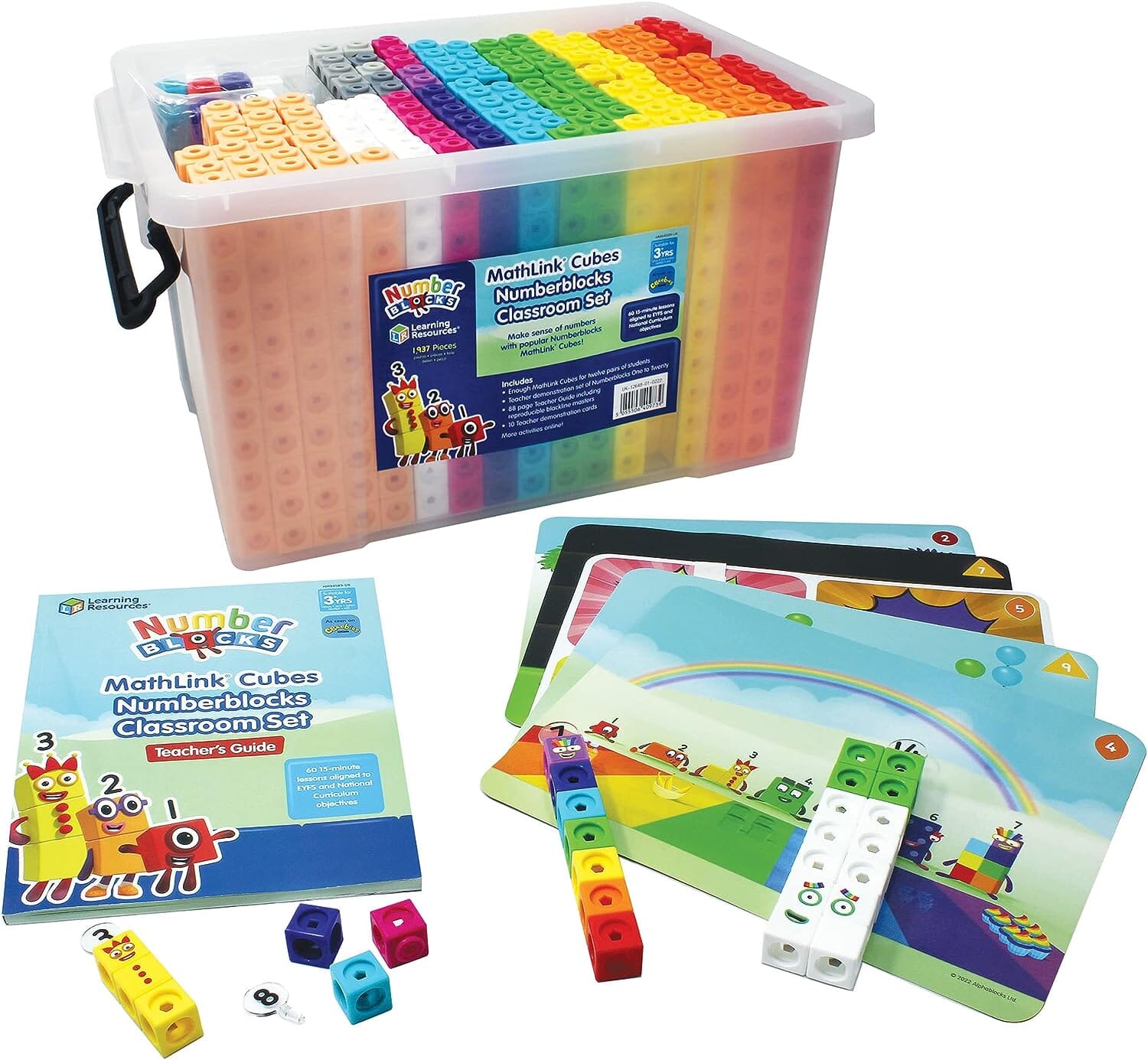
MathLink® Cubes Numberblocks Classroom Set - Ages 3+ - Educational Toy Learning ResourcesThis is the ultimate Numberblocks maths resources set developed to help teachers bring the maths concepts seen in the award-winning CBeebies TV series to life in the classroom. The set includes everything 12 pairs of pupils need to complete the 60 x 15-minute maths learning activities included in the comprehensive 88-page Teacher’s Guide. Activities align with the EYFS and National Curriculum objectives. The ultimate set for teachers to help children master maths by bringing the concepts shown in the award-winning TV series to life in the classroom. Developed to support maths learning in the classroom, this set uses the included comprehensive 88-page Teacher’s Guide to help children build essential early years maths skills including counting, place value, cardinality, subitising, composing and decomposing numbers, skip counting, addition, subtraction, and more for numbers 1-20. The quick and easy lessons incorporate group discussion and hands-on activities in 15 minutes. The Teacher’s Guide is split into three units. Unit one focuses on Numberblocks One to Five. Unit two focuses on Six to Ten, and unit three focuses on Eleven to Twenty. Lessons align with the EYFS and National Curriculum framework. The set has everything 12 pairs of pupils need to complete the activities featured in the Teacher’s Guide. Includes 1905 special edition Numberblocks MathLink Cubes, 20 Numberlings for One to Twenty, 5 double-sided demonstration cards, and the comprehensive Teacher’s Guide in a convenient storage tote.289,99 £*Shipping: 0,00 £Secure redirect to the provider
-
Perfect Picks Market Kids Learning Clock Silent Analog Teaching Wall Clock For Classroom & Bedroom Inch black 10 InchTransform learning into an exciting daily adventure with this Kids learning clock designed to help children master time with confidence. Featuring colorful numbers, clearly marked hands, and an easytoread analog display, it's perfect for young...69,97 $*Shipping: 0,00 $Secure redirect to the provider
-
What is the difference between Monstera deliciosa and Monstera pertusum?
Monstera deliciosa and Monstera pertusum are actually the same plant. Monstera pertusum is the former scientific name for this species, and Monstera deliciosa is the current accepted name. The plant is commonly known as the Swiss cheese plant due to the holes and splits in its leaves, and it is a popular houseplant known for its unique foliage. Therefore, there is no actual difference between Monstera deliciosa and Monstera pertusum, as they refer to the same plant. **
-
What helped my Monstera?
Your Monstera likely benefited from a few key factors. Firstly, it likely thrived in a well-draining potting mix that provided good aeration for its roots. Additionally, it probably received the right amount of sunlight, as Monstera plants prefer bright, indirect light. Regular watering and occasional misting may have also contributed to its health, as Monstera plants enjoy consistently moist soil and high humidity. Overall, a combination of proper soil, light, and water likely helped your Monstera thrive. **
-
Is my Monstera sick?
To determine if your Monstera is sick, look for signs such as yellowing or browning leaves, wilting, or unusual spots on the leaves. Check the soil for overwatering or underwatering, as improper watering can lead to health issues for the plant. Additionally, inspect the plant for pests such as spider mites or mealybugs. If you notice any of these symptoms, take appropriate action such as adjusting the watering schedule, treating for pests, or repotting the plant if necessary. If you're unsure, consult with a plant expert for further guidance. **
-
What is Monstera mold?
Monstera mold refers to the white, powdery substance that can develop on the leaves of Monstera plants. This mold is actually a type of fungus called powdery mildew, which thrives in warm, humid conditions. It can be harmful to the plant if left untreated, as it can inhibit photosynthesis and weaken the plant. To prevent Monstera mold, it's important to maintain good air circulation around the plant and avoid overwatering. If mold does develop, it can be treated with a fungicide or by gently wiping the leaves with a damp cloth. **
Similar search terms for Monstera
-
"Monstera 35 ½"" MOD LIGHTING"Bring bold greenery into your space with the Artificial Monstera, loved for its iconic split leaves and tropical charm. A symbol of vitality and abundance, it adds instant vibrancy and style to any room. With its ultra-realistic design, it stays...299,95 $*Shipping: 0,00 $Secure redirect to the provider
-
JoyToys Montessori Wooden Learning Clock Time Teaching Puzzle For Kids Montessori Wooden Learning Clock Time Teaching Puzzle For KidsLearn through play with our wooden learning clock, designed to help children confidently understand time while developing essential early learning skills. This engaging Montessori clock combines handson puzzle play with interactive time practice,...29,97 $*Shipping: 0,00 $Secure redirect to the provider
-
Perfect Picks Market Kids Learning Clock Silent Analog Teaching Wall Clock For Classroom & Bedroom Inch black 8 InchTransform learning into an exciting daily adventure with this Kids learning clock designed to help children master time with confidence. Featuring colorful numbers, clearly marked hands, and an easytoread analog display, it's perfect for young...54,97 $*Shipping: 0,00 $Secure redirect to the provider
-
What does Monstera do?
Monstera is a plant that is known for its large, glossy, and unique leaves. It is often used as a decorative houseplant and is popular for its tropical and exotic appearance. Monstera is also known for its air-purifying properties, making it a great addition to indoor spaces. Additionally, Monstera can be propagated easily, making it a popular choice for plant enthusiasts looking to expand their collection. **
-
What does the Monstera have?
The Monstera plant has large, glossy green leaves that are uniquely shaped with natural holes or splits, giving it a distinctive tropical appearance. These holes are called fenestrations and are a characteristic feature of the Monstera plant. The plant's leaves can grow quite large, making it a popular choice for indoor decoration. Additionally, the Monstera is known for its easy care requirements, making it a favorite among plant enthusiasts. **
-
Does the Monstera plant cry?
No, the Monstera plant does not cry. Plants do not have emotions or the ability to produce tears like humans or animals. The Monstera plant may release water droplets through a process called guttation, but this is a natural physiological process and not a form of crying. **
-
What does my Monstera need?
Your Monstera plant needs bright, indirect light to thrive. It also requires well-draining soil to prevent root rot and regular watering, allowing the top inch of soil to dry out between waterings. Additionally, it benefits from occasional misting to increase humidity levels, especially in drier environments. Finally, fertilize your Monstera every 4-6 weeks during the growing season to provide it with essential nutrients for healthy growth. **
* All prices are inclusive of VAT and, if applicable, plus shipping costs. The offer information is based on the details provided by the respective shop and is updated through automated processes. Real-time updates do not occur, so deviations can occur in individual cases. ** Note: Parts of this content were created by AI.