Buy educationpoints.eu ?
We are moving the project
educationpoints.eu .
Are you interested in purchasing the domain
educationpoints.eu ?
domain@kv-gmbh.de · 0541-91531010
Buy educationpoints.eu ?
What binds hemoglobin?
Hemoglobin is a protein found in red blood cells that binds to oxygen. It contains four heme groups, each of which contains an iron ion that can bind to an oxygen molecule. This allows hemoglobin to transport oxygen from the lungs to the tissues throughout the body. Additionally, hemoglobin can also bind to carbon dioxide and hydrogen ions, helping to regulate the body's pH balance. **
What is the hemoglobin gene?
The hemoglobin gene is a gene that encodes the production of hemoglobin, a protein found in red blood cells that is responsible for carrying oxygen from the lungs to the rest of the body. The hemoglobin gene is located on chromosome 11 in humans and is made up of several subunits that come together to form the hemoglobin protein. Mutations in the hemoglobin gene can lead to various blood disorders, such as sickle cell anemia and thalassemia. **
Similar search terms for Hemoglobin
Top-Angebote
Products related to Hemoglobin:
-
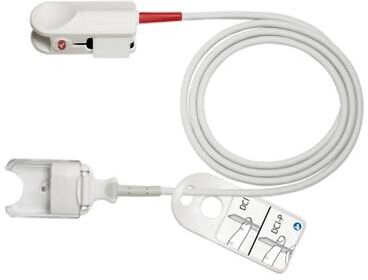
Masimo LNCS-II Pronto Sensor for Spot checking hemoglobin (SpHb)""" Masimo LNCS-II Pronto Sensor for Spot checking hemoglobin (SpHb) - 400 SpHb tests per sensor Masimo sensors are for use with rainbow devices such as the Pronto with SpHb hemoglobin spot check (required) and SpO2. Reusable SpHb spot-check sensors..."895,00 $*Shipping: 0,00 $Secure redirect to the provider
-
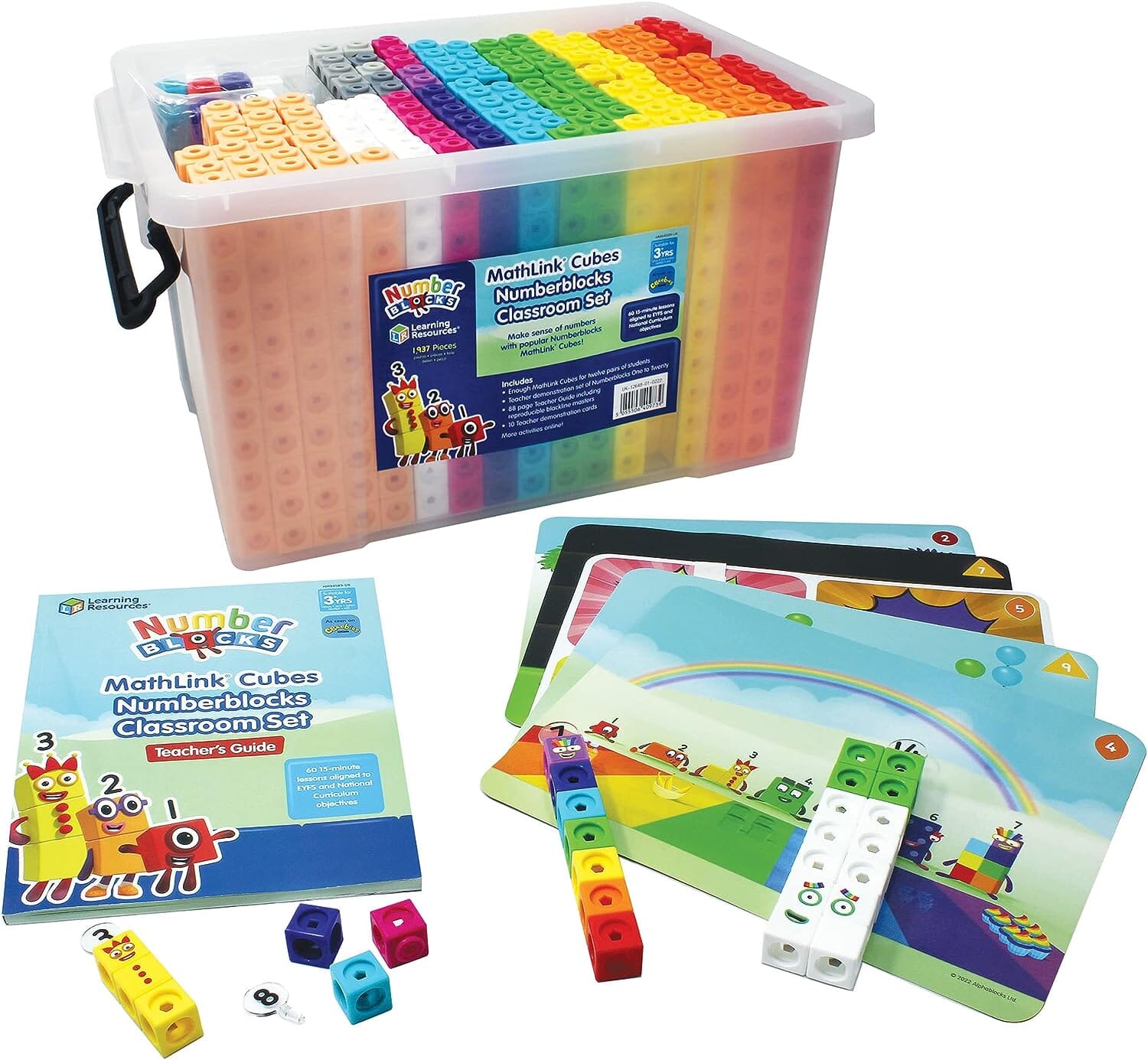
MathLink® Cubes Numberblocks Classroom Set - Ages 3+ - Educational Toy Learning ResourcesThis is the ultimate Numberblocks maths resources set developed to help teachers bring the maths concepts seen in the award-winning CBeebies TV series to life in the classroom. The set includes everything 12 pairs of pupils need to complete the 60 x 15-minute maths learning activities included in the comprehensive 88-page Teacher’s Guide. Activities align with the EYFS and National Curriculum objectives. The ultimate set for teachers to help children master maths by bringing the concepts shown in the award-winning TV series to life in the classroom. Developed to support maths learning in the classroom, this set uses the included comprehensive 88-page Teacher’s Guide to help children build essential early years maths skills including counting, place value, cardinality, subitising, composing and decomposing numbers, skip counting, addition, subtraction, and more for numbers 1-20. The quick and easy lessons incorporate group discussion and hands-on activities in 15 minutes. The Teacher’s Guide is split into three units. Unit one focuses on Numberblocks One to Five. Unit two focuses on Six to Ten, and unit three focuses on Eleven to Twenty. Lessons align with the EYFS and National Curriculum framework. The set has everything 12 pairs of pupils need to complete the activities featured in the Teacher’s Guide. Includes 1905 special edition Numberblocks MathLink Cubes, 20 Numberlings for One to Twenty, 5 double-sided demonstration cards, and the comprehensive Teacher’s Guide in a convenient storage tote.289,99 £*Shipping: 0,00 £Secure redirect to the provider
-
Perfect Picks Market Kids Learning Clock Silent Analog Teaching Wall Clock For Classroom & Bedroom Inch black 10 InchTransform learning into an exciting daily adventure with this Kids learning clock designed to help children master time with confidence. Featuring colorful numbers, clearly marked hands, and an easytoread analog display, it's perfect for young...69,97 $*Shipping: 0,00 $Secure redirect to the provider
-
"""Masimo Pronto for Spot checking hemoglobin (SpHb), arterial oxygen saturation (SpO2), pulse rate (PR), and perfusion index (PI)"""""" Masimo Pronto for Spot checking hemoglobin (SpHb), arterial oxygen saturation (SpO2), pulse rate (PR), and perfusion index (PI) For other sensor configurations, call for pricing: 888-970-2999 The Masimo Pronto is a handheld hemoglobin testing..."1045,00 $*Shipping: 0,00 $Secure redirect to the provider

-
How does oxygen bind to hemoglobin?
Oxygen binds to hemoglobin through a process called cooperative binding. When the first oxygen molecule binds to one of the four heme groups in hemoglobin, it induces a conformational change in the protein structure, making it easier for the next oxygen molecules to bind. This cooperative binding allows hemoglobin to efficiently pick up oxygen in the lungs and release it to tissues throughout the body. The binding of oxygen to hemoglobin is reversible, meaning that oxygen can easily dissociate from hemoglobin when needed. **
-
What is considered a normal hemoglobin level?
A normal hemoglobin level for adult men is typically between 13.8 to 17.2 grams per deciliter (g/dL), while for adult women it is usually between 12.1 to 15.1 g/dL. These values can vary slightly depending on the laboratory and the specific reference range used. Hemoglobin levels outside of these ranges may indicate anemia or other underlying health conditions that should be further evaluated by a healthcare provider. **
-
Why does the hemoglobin level keep dropping?
There are several reasons why hemoglobin levels may keep dropping. One common reason is chronic blood loss, which can occur due to conditions such as gastrointestinal bleeding, heavy menstrual periods, or certain cancers. Another potential cause is decreased production of red blood cells, which can be due to nutritional deficiencies (such as iron, vitamin B12, or folate), bone marrow disorders, or chronic diseases. Additionally, increased destruction of red blood cells (hemolysis) can also lead to a drop in hemoglobin levels, which may be caused by conditions like sickle cell anemia or certain medications. It is important to consult with a healthcare professional to determine the underlying cause of the dropping hemoglobin levels and to receive appropriate treatment. **
-
What is the molecular weight of hemoglobin?
The molecular weight of hemoglobin is approximately 64,500 daltons. Hemoglobin is a complex protein made up of four subunits, each containing a heme group that binds to oxygen. Its molecular weight is an important factor in its function as the oxygen-carrying molecule in red blood cells. **


What is the difference between hemoglobin and myoglobin?
Hemoglobin and myoglobin are both proteins that bind to oxygen, but they have different functions in the body. Hemoglobin is found in red blood cells and is responsible for transporting oxygen from the lungs to tissues throughout the body. Myoglobin is found in muscle cells and stores oxygen for use during muscle contraction. Structurally, hemoglobin is a tetrameric protein with four subunits, while myoglobin is a monomeric protein with a single subunit. Additionally, hemoglobin has a higher affinity for oxygen than myoglobin, allowing it to efficiently transport oxygen in the bloodstream. **
How can a protein called hemoglobin be produced?
Hemoglobin is produced through a complex process in the body. It starts with the transcription of the hemoglobin gene in the nucleus of a cell, which produces a messenger RNA (mRNA) molecule. This mRNA then moves to the ribosomes, where it serves as a template for the synthesis of the hemoglobin protein. The ribosomes use transfer RNA (tRNA) to bring the necessary amino acids to the growing protein chain, following the instructions encoded in the mRNA. Once the protein chain is complete, it undergoes folding and post-translational modifications to become the functional hemoglobin protein. **
Top-Angebote
Products related to Hemoglobin:
-
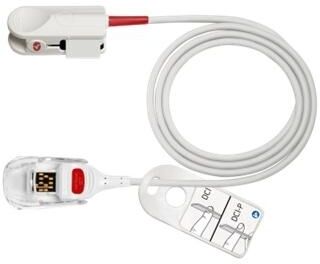
Masimo Pronto Sensor for Spot checking hemoglobin (SpHb)""" Sensor Only for Masimo Pronto to Spot check hemoglobin (SpHb) Masimo sensors are for use with rainbow devices such as the Pronto with SpHb hemoglobin spot check (required) and SpO2 and have a 3 foot cable. Reusable SpHb spot-check sensors come in..."836,00 $*Shipping: 0,00 $Secure redirect to the provider
-
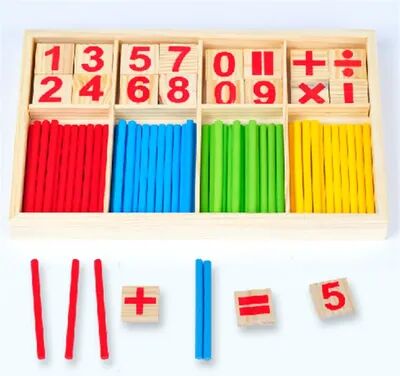
Smart Shopping Spot Wooden Digital Stick Educational Toys For Children, Montessori Math Teaching Aid For Knowledge Wooden Digital Stick Educational Toys For Children, Montessori Math Teaching Aid For KnowledgeFun and Engaging Learning Tool Introduce your child to the world of mathematics enlightenment with these Wooden Educational Toys. Designed to foster a love for learning, this Montessoriinspired tool uses digital sticks to make math both fun and...34,97 $*Shipping: 0,00 $Secure redirect to the provider
-
Masimo LNCS-II Pronto Sensor for Spot checking hemoglobin (SpHb)""" Masimo LNCS-II Pronto Sensor for Spot checking hemoglobin (SpHb) - 400 SpHb tests per sensor Masimo sensors are for use with rainbow devices such as the Pronto with SpHb hemoglobin spot check (required) and SpO2. Reusable SpHb spot-check sensors..."895,00 $*Shipping: 0,00 $Secure redirect to the provider
-
MathLink® Cubes Numberblocks Classroom Set - Ages 3+ - Educational Toy Learning ResourcesThis is the ultimate Numberblocks maths resources set developed to help teachers bring the maths concepts seen in the award-winning CBeebies TV series to life in the classroom. The set includes everything 12 pairs of pupils need to complete the 60 x 15-minute maths learning activities included in the comprehensive 88-page Teacher’s Guide. Activities align with the EYFS and National Curriculum objectives. The ultimate set for teachers to help children master maths by bringing the concepts shown in the award-winning TV series to life in the classroom. Developed to support maths learning in the classroom, this set uses the included comprehensive 88-page Teacher’s Guide to help children build essential early years maths skills including counting, place value, cardinality, subitising, composing and decomposing numbers, skip counting, addition, subtraction, and more for numbers 1-20. The quick and easy lessons incorporate group discussion and hands-on activities in 15 minutes. The Teacher’s Guide is split into three units. Unit one focuses on Numberblocks One to Five. Unit two focuses on Six to Ten, and unit three focuses on Eleven to Twenty. Lessons align with the EYFS and National Curriculum framework. The set has everything 12 pairs of pupils need to complete the activities featured in the Teacher’s Guide. Includes 1905 special edition Numberblocks MathLink Cubes, 20 Numberlings for One to Twenty, 5 double-sided demonstration cards, and the comprehensive Teacher’s Guide in a convenient storage tote.289,99 £*Shipping: 0,00 £Secure redirect to the provider
-
What binds hemoglobin?
Hemoglobin is a protein found in red blood cells that binds to oxygen. It contains four heme groups, each of which contains an iron ion that can bind to an oxygen molecule. This allows hemoglobin to transport oxygen from the lungs to the tissues throughout the body. Additionally, hemoglobin can also bind to carbon dioxide and hydrogen ions, helping to regulate the body's pH balance. **
-
What is the hemoglobin gene?
The hemoglobin gene is a gene that encodes the production of hemoglobin, a protein found in red blood cells that is responsible for carrying oxygen from the lungs to the rest of the body. The hemoglobin gene is located on chromosome 11 in humans and is made up of several subunits that come together to form the hemoglobin protein. Mutations in the hemoglobin gene can lead to various blood disorders, such as sickle cell anemia and thalassemia. **
-
How does oxygen bind to hemoglobin?
Oxygen binds to hemoglobin through a process called cooperative binding. When the first oxygen molecule binds to one of the four heme groups in hemoglobin, it induces a conformational change in the protein structure, making it easier for the next oxygen molecules to bind. This cooperative binding allows hemoglobin to efficiently pick up oxygen in the lungs and release it to tissues throughout the body. The binding of oxygen to hemoglobin is reversible, meaning that oxygen can easily dissociate from hemoglobin when needed. **
-
What is considered a normal hemoglobin level?
A normal hemoglobin level for adult men is typically between 13.8 to 17.2 grams per deciliter (g/dL), while for adult women it is usually between 12.1 to 15.1 g/dL. These values can vary slightly depending on the laboratory and the specific reference range used. Hemoglobin levels outside of these ranges may indicate anemia or other underlying health conditions that should be further evaluated by a healthcare provider. **
Similar search terms for Hemoglobin
-
Perfect Picks Market Kids Learning Clock Silent Analog Teaching Wall Clock For Classroom & Bedroom Inch black 10 InchTransform learning into an exciting daily adventure with this Kids learning clock designed to help children master time with confidence. Featuring colorful numbers, clearly marked hands, and an easytoread analog display, it's perfect for young...69,97 $*Shipping: 0,00 $Secure redirect to the provider
-
"""Masimo Pronto for Spot checking hemoglobin (SpHb), arterial oxygen saturation (SpO2), pulse rate (PR), and perfusion index (PI)"""""" Masimo Pronto for Spot checking hemoglobin (SpHb), arterial oxygen saturation (SpO2), pulse rate (PR), and perfusion index (PI) For other sensor configurations, call for pricing: 888-970-2999 The Masimo Pronto is a handheld hemoglobin testing..."1045,00 $*Shipping: 0,00 $Secure redirect to the provider
-
JoyToys Montessori Wooden Learning Clock Time Teaching Puzzle For Kids Montessori Wooden Learning Clock Time Teaching Puzzle For KidsLearn through play with our wooden learning clock, designed to help children confidently understand time while developing essential early learning skills. This engaging Montessori clock combines handson puzzle play with interactive time practice,...29,97 $*Shipping: 0,00 $Secure redirect to the provider
-
Perfect Picks Market Kids Learning Clock Silent Analog Teaching Wall Clock For Classroom & Bedroom Inch white 8 InchTransform learning into an exciting daily adventure with this Kids learning clock designed to help children master time with confidence. Featuring colorful numbers, clearly marked hands, and an easytoread analog display, it's perfect for young...54,97 $*Shipping: 0,00 $Secure redirect to the provider
-
Why does the hemoglobin level keep dropping?
There are several reasons why hemoglobin levels may keep dropping. One common reason is chronic blood loss, which can occur due to conditions such as gastrointestinal bleeding, heavy menstrual periods, or certain cancers. Another potential cause is decreased production of red blood cells, which can be due to nutritional deficiencies (such as iron, vitamin B12, or folate), bone marrow disorders, or chronic diseases. Additionally, increased destruction of red blood cells (hemolysis) can also lead to a drop in hemoglobin levels, which may be caused by conditions like sickle cell anemia or certain medications. It is important to consult with a healthcare professional to determine the underlying cause of the dropping hemoglobin levels and to receive appropriate treatment. **
-
What is the molecular weight of hemoglobin?
The molecular weight of hemoglobin is approximately 64,500 daltons. Hemoglobin is a complex protein made up of four subunits, each containing a heme group that binds to oxygen. Its molecular weight is an important factor in its function as the oxygen-carrying molecule in red blood cells. **
-
What is the difference between hemoglobin and myoglobin?
Hemoglobin and myoglobin are both proteins that bind to oxygen, but they have different functions in the body. Hemoglobin is found in red blood cells and is responsible for transporting oxygen from the lungs to tissues throughout the body. Myoglobin is found in muscle cells and stores oxygen for use during muscle contraction. Structurally, hemoglobin is a tetrameric protein with four subunits, while myoglobin is a monomeric protein with a single subunit. Additionally, hemoglobin has a higher affinity for oxygen than myoglobin, allowing it to efficiently transport oxygen in the bloodstream. **
-
How can a protein called hemoglobin be produced?
Hemoglobin is produced through a complex process in the body. It starts with the transcription of the hemoglobin gene in the nucleus of a cell, which produces a messenger RNA (mRNA) molecule. This mRNA then moves to the ribosomes, where it serves as a template for the synthesis of the hemoglobin protein. The ribosomes use transfer RNA (tRNA) to bring the necessary amino acids to the growing protein chain, following the instructions encoded in the mRNA. Once the protein chain is complete, it undergoes folding and post-translational modifications to become the functional hemoglobin protein. **
* All prices are inclusive of VAT and, if applicable, plus shipping costs. The offer information is based on the details provided by the respective shop and is updated through automated processes. Real-time updates do not occur, so deviations can occur in individual cases. ** Note: Parts of this content were created by AI.