Buy educationpoints.eu ?
We are moving the project
educationpoints.eu .
Are you interested in purchasing the domain
educationpoints.eu ?
domain@kv-gmbh.de · 0541-91531010
Buy educationpoints.eu ?
Is convection and convection grill the same thing?
No, convection and convection grill are not the same thing. Convection refers to the circulation of hot air in an oven to cook food more evenly and efficiently. Convection grill, on the other hand, refers to a cooking mode in which the grill element and the fan are used simultaneously to cook food with a crispy and browned exterior. While both methods involve the use of a fan to circulate hot air, convection grill specifically focuses on grilling and browning food. **
What is the difference between mantle convection and convection currents?
Mantle convection refers to the movement of the Earth's mantle caused by the transfer of heat from the core to the surface. This movement is driven by the process of convection, where hot material rises and cool material sinks. Convection currents, on the other hand, are the flow of a fluid, such as air or water, caused by the uneven heating and cooling of the fluid. While mantle convection specifically refers to the movement of the Earth's mantle, convection currents can occur in any fluid, including the atmosphere and oceans. **

Similar search terms for Convection
Top-Angebote
Products related to Convection:
-
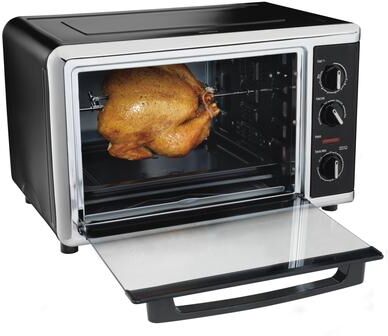
Hamilton Beach Stainless Countertop Oven with Convection and RotisserieWith 1500 watts of cooking power, the Hamilton Beach® Countertop Oven with Convection & Rotisserie does everything your full-size oven does, while taking minimal space on your countertop.153,49 $*Shipping: 0,00 $Secure redirect to the provider
-
Hamilton Beach Black Countertop Oven with Convection and RotisserieSmall enough to fit on your kitchen counter, but large enough to help you prepare for any meal or party, the Hamilton Beach Countertop Oven with Convection and Rotisserie boasts full-size oven performance in compact, energy-efficient form.139,99 $*Shipping: 0,00 $Secure redirect to the provider


-
Is hot air convection?
Yes, hot air is a form of convection. Convection is the transfer of heat through the movement of a fluid, such as air or water. When air is heated, it becomes less dense and rises, while cooler, denser air sinks. This movement of air creates a convection current, which helps to distribute heat throughout a space. Therefore, hot air is a result of convection and plays a key role in the process of heat transfer. **
-
What is mantle convection?
Mantle convection is the process by which heat from the Earth's core causes the mantle to circulate in a series of convection currents. As the mantle is heated from below, it becomes less dense and rises towards the Earth's surface. As it cools, it becomes denser and sinks back down towards the core. This continuous cycle of rising and sinking creates movement within the mantle, which is thought to be a driving force behind plate tectonics and other geological processes. **
-
What are convection currents?
Convection currents are the movement of fluid, such as air or water, due to differences in temperature and density within the fluid. As a fluid is heated, it becomes less dense and rises, while cooler, denser fluid sinks. This creates a circular motion as the heated fluid rises, cools, and then sinks again. Convection currents play a key role in the Earth's atmosphere and oceans, as well as in processes such as heating and cooling systems. **
-
Is there a difference between convection and non-convection? How do you bake?
Yes, there is a difference between convection and non-convection baking. Convection baking uses a fan to circulate hot air around the food, which results in faster and more even cooking. Non-convection baking relies on the natural heat of the oven to cook the food. When I bake, I typically use the convection setting for items like cookies, pastries, and roasts, as it helps to achieve a more even and consistent result. For items like casseroles or delicate cakes, I may opt for non-convection baking to prevent over-browning or drying out. **
Convection or top-bottom heat?
The choice between convection or top-bottom heat depends on the specific dish you are preparing. Convection heat circulates hot air around the food, resulting in even cooking and browning, making it ideal for baked goods like cookies and pastries. On the other hand, top-bottom heat provides direct heat from the top and bottom heating elements, which is better for dishes that require a crispy or caramelized finish, such as pizzas or casseroles. Ultimately, the decision should be based on the desired outcome and cooking requirements of the dish. **
'Convection or top-bottom heat?'
The choice between convection or top-bottom heat depends on the specific dish being prepared. Convection heat circulates hot air around the food, resulting in even cooking and browning, making it ideal for dishes like roasted vegetables or baked goods. On the other hand, top-bottom heat provides direct heat from the top and bottom elements of the oven, which is better suited for dishes that require a crispy or caramelized exterior, such as pizzas or casseroles. Ultimately, the decision between convection or top-bottom heat should be based on the desired outcome of the dish being cooked. **
Top-Angebote
Products related to Convection:
-
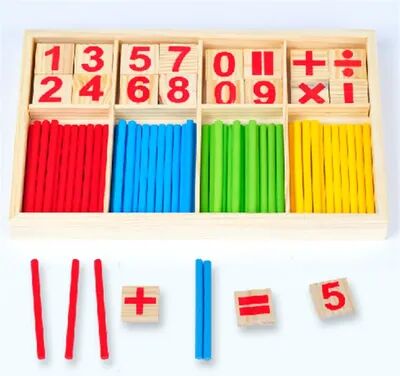
Smart Shopping Spot Wooden Digital Stick Educational Toys For Children, Montessori Math Teaching Aid For Knowledge Wooden Digital Stick Educational Toys For Children, Montessori Math Teaching Aid For KnowledgeFun and Engaging Learning Tool Introduce your child to the world of mathematics enlightenment with these Wooden Educational Toys. Designed to foster a love for learning, this Montessoriinspired tool uses digital sticks to make math both fun and...34,97 $*Shipping: 0,00 $Secure redirect to the provider
-
1500-Watt Convection Electric Space Heater Electric Panel HeaterIntroductions: This heater can be moved freely on the ground. At the same time, Whether you're relaxing in the bedroom, working in your office, or spending time in the living room, this heater delivers instant warmth across rooms up to 200 sq.ft.96,99 $*Shipping: 0,00 $Secure redirect to the provider
-
Is convection and convection grill the same thing?
No, convection and convection grill are not the same thing. Convection refers to the circulation of hot air in an oven to cook food more evenly and efficiently. Convection grill, on the other hand, refers to a cooking mode in which the grill element and the fan are used simultaneously to cook food with a crispy and browned exterior. While both methods involve the use of a fan to circulate hot air, convection grill specifically focuses on grilling and browning food. **
-
What is the difference between mantle convection and convection currents?
Mantle convection refers to the movement of the Earth's mantle caused by the transfer of heat from the core to the surface. This movement is driven by the process of convection, where hot material rises and cool material sinks. Convection currents, on the other hand, are the flow of a fluid, such as air or water, caused by the uneven heating and cooling of the fluid. While mantle convection specifically refers to the movement of the Earth's mantle, convection currents can occur in any fluid, including the atmosphere and oceans. **
-
Is hot air convection?
Yes, hot air is a form of convection. Convection is the transfer of heat through the movement of a fluid, such as air or water. When air is heated, it becomes less dense and rises, while cooler, denser air sinks. This movement of air creates a convection current, which helps to distribute heat throughout a space. Therefore, hot air is a result of convection and plays a key role in the process of heat transfer. **
-
What is mantle convection?
Mantle convection is the process by which heat from the Earth's core causes the mantle to circulate in a series of convection currents. As the mantle is heated from below, it becomes less dense and rises towards the Earth's surface. As it cools, it becomes denser and sinks back down towards the core. This continuous cycle of rising and sinking creates movement within the mantle, which is thought to be a driving force behind plate tectonics and other geological processes. **
Similar search terms for Convection
-
Hamilton Beach Stainless Countertop Oven with Convection and RotisserieWith 1500 watts of cooking power, the Hamilton Beach® Countertop Oven with Convection & Rotisserie does everything your full-size oven does, while taking minimal space on your countertop.153,49 $*Shipping: 0,00 $Secure redirect to the provider
-
Hamilton Beach Black Countertop Oven with Convection and RotisserieSmall enough to fit on your kitchen counter, but large enough to help you prepare for any meal or party, the Hamilton Beach Countertop Oven with Convection and Rotisserie boasts full-size oven performance in compact, energy-efficient form.139,99 $*Shipping: 0,00 $Secure redirect to the provider
-
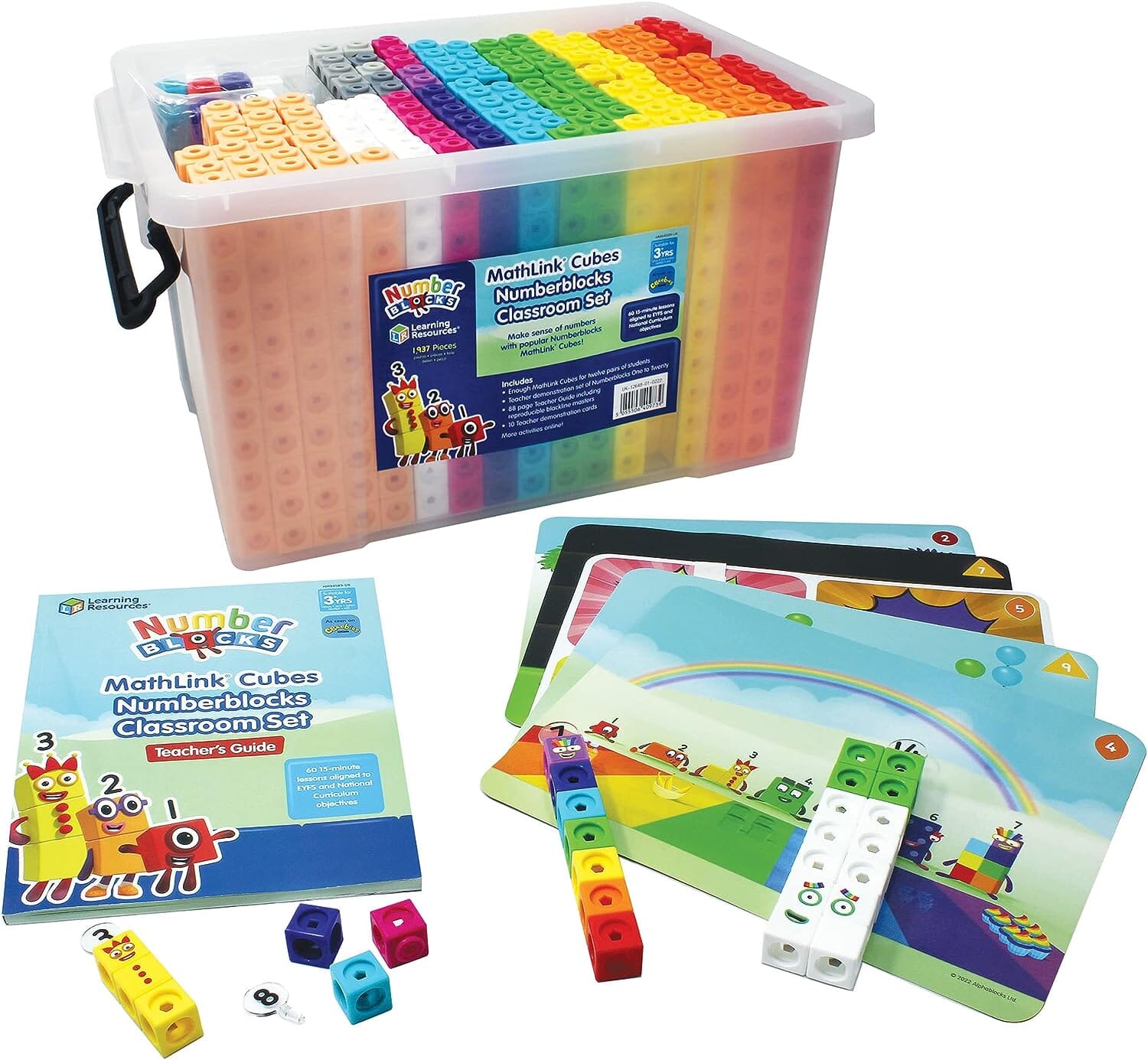
MathLink® Cubes Numberblocks Classroom Set - Ages 3+ - Educational Toy Learning ResourcesThis is the ultimate Numberblocks maths resources set developed to help teachers bring the maths concepts seen in the award-winning CBeebies TV series to life in the classroom. The set includes everything 12 pairs of pupils need to complete the 60 x 15-minute maths learning activities included in the comprehensive 88-page Teacher’s Guide. Activities align with the EYFS and National Curriculum objectives. The ultimate set for teachers to help children master maths by bringing the concepts shown in the award-winning TV series to life in the classroom. Developed to support maths learning in the classroom, this set uses the included comprehensive 88-page Teacher’s Guide to help children build essential early years maths skills including counting, place value, cardinality, subitising, composing and decomposing numbers, skip counting, addition, subtraction, and more for numbers 1-20. The quick and easy lessons incorporate group discussion and hands-on activities in 15 minutes. The Teacher’s Guide is split into three units. Unit one focuses on Numberblocks One to Five. Unit two focuses on Six to Ten, and unit three focuses on Eleven to Twenty. Lessons align with the EYFS and National Curriculum framework. The set has everything 12 pairs of pupils need to complete the activities featured in the Teacher’s Guide. Includes 1905 special edition Numberblocks MathLink Cubes, 20 Numberlings for One to Twenty, 5 double-sided demonstration cards, and the comprehensive Teacher’s Guide in a convenient storage tote.289,99 £*Shipping: 0,00 £Secure redirect to the provider
-
What are convection currents?
Convection currents are the movement of fluid, such as air or water, due to differences in temperature and density within the fluid. As a fluid is heated, it becomes less dense and rises, while cooler, denser fluid sinks. This creates a circular motion as the heated fluid rises, cools, and then sinks again. Convection currents play a key role in the Earth's atmosphere and oceans, as well as in processes such as heating and cooling systems. **
-
Is there a difference between convection and non-convection? How do you bake?
Yes, there is a difference between convection and non-convection baking. Convection baking uses a fan to circulate hot air around the food, which results in faster and more even cooking. Non-convection baking relies on the natural heat of the oven to cook the food. When I bake, I typically use the convection setting for items like cookies, pastries, and roasts, as it helps to achieve a more even and consistent result. For items like casseroles or delicate cakes, I may opt for non-convection baking to prevent over-browning or drying out. **
-
Convection or top-bottom heat?
The choice between convection or top-bottom heat depends on the specific dish you are preparing. Convection heat circulates hot air around the food, resulting in even cooking and browning, making it ideal for baked goods like cookies and pastries. On the other hand, top-bottom heat provides direct heat from the top and bottom heating elements, which is better for dishes that require a crispy or caramelized finish, such as pizzas or casseroles. Ultimately, the decision should be based on the desired outcome and cooking requirements of the dish. **
-
'Convection or top-bottom heat?'
The choice between convection or top-bottom heat depends on the specific dish being prepared. Convection heat circulates hot air around the food, resulting in even cooking and browning, making it ideal for dishes like roasted vegetables or baked goods. On the other hand, top-bottom heat provides direct heat from the top and bottom elements of the oven, which is better suited for dishes that require a crispy or caramelized exterior, such as pizzas or casseroles. Ultimately, the decision between convection or top-bottom heat should be based on the desired outcome of the dish being cooked. **
* All prices are inclusive of VAT and, if applicable, plus shipping costs. The offer information is based on the details provided by the respective shop and is updated through automated processes. Real-time updates do not occur, so deviations can occur in individual cases. ** Note: Parts of this content were created by AI.