Buy educationpoints.eu ?
We are moving the project
educationpoints.eu .
Are you interested in purchasing the domain
educationpoints.eu ?
domain@kv-gmbh.de · 0541-91531010
Buy educationpoints.eu ?
Is it concave or convex?
The shape is concave. **
How are concave or convex lenses used?
Concave lenses are used to correct nearsightedness by diverging light rays before they reach the eye, helping to focus the image directly on the retina. On the other hand, convex lenses are used to correct farsightedness by converging light rays before they reach the eye, allowing the image to be focused directly on the retina. Both types of lenses are also commonly used in various optical devices such as cameras, microscopes, and telescopes to manipulate the path of light rays for magnification or correction of vision. **
Similar search terms for Concave
Top-Angebote
Products related to Concave:
-
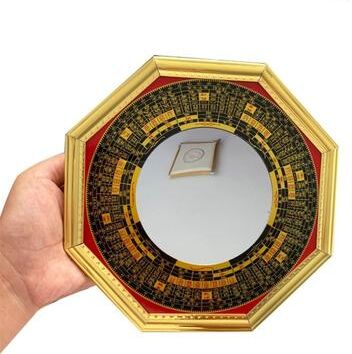
Fusion Finds Mirror Octagonal Protection Mirror With Metal Frame Concave Convex Glass l concave MirrorExperience timeless Feng Shui tradition with this Bagua Feng Shui Mirror, thoughtfully designed to complement homes, offices, and entryways. Featuring a classic octagonal frame and available in concave or convex mirror styles, it is ideal for those...39,97 $*Shipping: 0,00 $Secure redirect to the provider
-
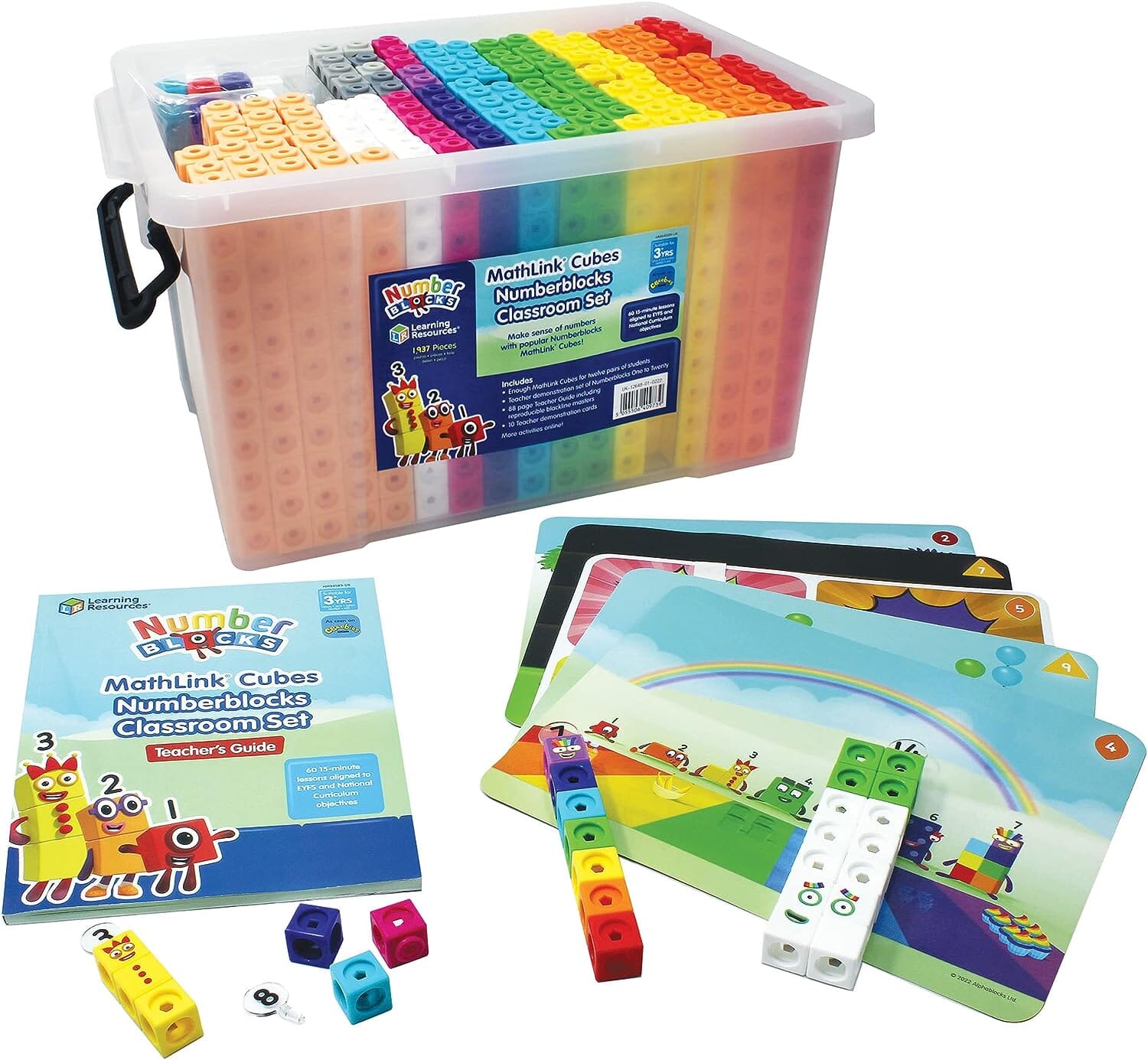
MathLink® Cubes Numberblocks Classroom Set - Ages 3+ - Educational Toy Learning ResourcesThis is the ultimate Numberblocks maths resources set developed to help teachers bring the maths concepts seen in the award-winning CBeebies TV series to life in the classroom. The set includes everything 12 pairs of pupils need to complete the 60 x 15-minute maths learning activities included in the comprehensive 88-page Teacher’s Guide. Activities align with the EYFS and National Curriculum objectives. The ultimate set for teachers to help children master maths by bringing the concepts shown in the award-winning TV series to life in the classroom. Developed to support maths learning in the classroom, this set uses the included comprehensive 88-page Teacher’s Guide to help children build essential early years maths skills including counting, place value, cardinality, subitising, composing and decomposing numbers, skip counting, addition, subtraction, and more for numbers 1-20. The quick and easy lessons incorporate group discussion and hands-on activities in 15 minutes. The Teacher’s Guide is split into three units. Unit one focuses on Numberblocks One to Five. Unit two focuses on Six to Ten, and unit three focuses on Eleven to Twenty. Lessons align with the EYFS and National Curriculum framework. The set has everything 12 pairs of pupils need to complete the activities featured in the Teacher’s Guide. Includes 1905 special edition Numberblocks MathLink Cubes, 20 Numberlings for One to Twenty, 5 double-sided demonstration cards, and the comprehensive Teacher’s Guide in a convenient storage tote.289,99 £*Shipping: 0,00 £Secure redirect to the provider
-
Uplift Essentials Handmade Ultra Thin Crystal Wine Goblet Concave Bottom Series Handmade Ultra Thin Crystal Wine Goblet Concave Bottom SeriesExperience the pinnacle of oenological precision with a vessel designed for the true connoisseur. This Handmade White Wine Glass is a highperformance tasting tool that redefines the relationship between the palate and the pour. Featuring a...105,97 $*Shipping: 0,00 $Secure redirect to the provider

-
How are concave and convex lenses used?
Concave lenses are used to correct nearsightedness by diverging light rays before they reach the eye, helping to focus the image on the retina. On the other hand, convex lenses are used to correct farsightedness by converging light rays before they reach the eye, bringing the image into focus on the retina. Both types of lenses are also used in various optical devices such as cameras, microscopes, and telescopes to manipulate and focus light rays. **
-
Is a zigzag shape convex or concave?
A zigzag shape can be either convex or concave, depending on the specific angles and orientation of the zigzag. If the angles formed by the zigzag are pointing outwards, the shape is convex. On the other hand, if the angles are pointing inwards, the shape is concave. It is important to analyze the specific angles and sides of the zigzag shape to determine whether it is convex or concave. **
-
How are concave and convex lenses applied?
Concave lenses are used to correct nearsightedness by diverging light rays before they reach the eye, allowing the image to focus correctly on the retina. On the other hand, convex lenses are used to correct farsightedness by converging light rays before they reach the eye, helping the image to focus properly on the retina. Both types of lenses are commonly used in eyeglasses and contact lenses to correct vision problems. **
-
Are these functions concave upwards or downwards?
The first function, f(x) = -2x^2 + 4x - 3, is concave downwards because the coefficient of x^2 is negative, indicating that the parabola opens downwards. The second function, g(x) = 3x^2 - 6x + 2, is concave upwards because the coefficient of x^2 is positive, indicating that the parabola opens upwards. **


What is a concave circular arc triangle?
A concave circular arc triangle is a triangle where one of the angles is greater than 180 degrees, causing the triangle to have a concave shape. This type of triangle is formed when two sides of the triangle intersect at a point outside the triangle, creating an angle larger than 180 degrees. The arc formed by the sides of the triangle is circular in shape, hence the name concave circular arc triangle. **
How do the workshop files concave and Kovex differ?
The workshop files concave and Kovex differ in their design and functionality. The concave file is designed with a curved surface, making it ideal for shaping concave surfaces and removing material efficiently. On the other hand, the Kovex file is designed with a flat surface and is more suitable for general filing and smoothing of flat or convex surfaces. Additionally, the Kovex file may have a double-cut pattern for more aggressive material removal, while the concave file may have a single-cut pattern for finer finishing. Overall, the differences lie in their intended use and the shape of their filing surfaces. **
Top-Angebote
Products related to Concave:
-
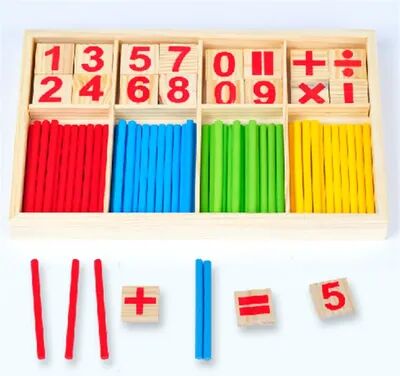
Smart Shopping Spot Wooden Digital Stick Educational Toys For Children, Montessori Math Teaching Aid For Knowledge Wooden Digital Stick Educational Toys For Children, Montessori Math Teaching Aid For KnowledgeFun and Engaging Learning Tool Introduce your child to the world of mathematics enlightenment with these Wooden Educational Toys. Designed to foster a love for learning, this Montessoriinspired tool uses digital sticks to make math both fun and...34,97 $*Shipping: 0,00 $Secure redirect to the provider
-
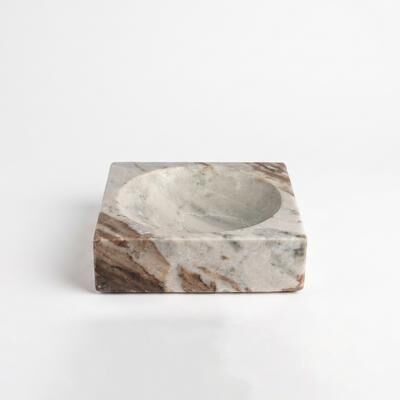
BIDKhome Toronto Marble Concave BowlThis marble concave bowl features a sculptural design that highlights the natural beauty of stone. Crafted from premium marble, its gently hollowed shape creates a smooth, modern silhouette with elegant veining.56,10 $*Shipping: 0,00 $Secure redirect to the provider
-
Fusion Finds Mirror Octagonal Protection Mirror With Metal Frame Concave Convex Glass l concave MirrorExperience timeless Feng Shui tradition with this Bagua Feng Shui Mirror, thoughtfully designed to complement homes, offices, and entryways. Featuring a classic octagonal frame and available in concave or convex mirror styles, it is ideal for those...39,97 $*Shipping: 0,00 $Secure redirect to the provider
-
Is it concave or convex?
The shape is concave. **
-
How are concave or convex lenses used?
Concave lenses are used to correct nearsightedness by diverging light rays before they reach the eye, helping to focus the image directly on the retina. On the other hand, convex lenses are used to correct farsightedness by converging light rays before they reach the eye, allowing the image to be focused directly on the retina. Both types of lenses are also commonly used in various optical devices such as cameras, microscopes, and telescopes to manipulate the path of light rays for magnification or correction of vision. **
-
How are concave and convex lenses used?
Concave lenses are used to correct nearsightedness by diverging light rays before they reach the eye, helping to focus the image on the retina. On the other hand, convex lenses are used to correct farsightedness by converging light rays before they reach the eye, bringing the image into focus on the retina. Both types of lenses are also used in various optical devices such as cameras, microscopes, and telescopes to manipulate and focus light rays. **
-
Is a zigzag shape convex or concave?
A zigzag shape can be either convex or concave, depending on the specific angles and orientation of the zigzag. If the angles formed by the zigzag are pointing outwards, the shape is convex. On the other hand, if the angles are pointing inwards, the shape is concave. It is important to analyze the specific angles and sides of the zigzag shape to determine whether it is convex or concave. **
Similar search terms for Concave
-
MathLink® Cubes Numberblocks Classroom Set - Ages 3+ - Educational Toy Learning ResourcesThis is the ultimate Numberblocks maths resources set developed to help teachers bring the maths concepts seen in the award-winning CBeebies TV series to life in the classroom. The set includes everything 12 pairs of pupils need to complete the 60 x 15-minute maths learning activities included in the comprehensive 88-page Teacher’s Guide. Activities align with the EYFS and National Curriculum objectives. The ultimate set for teachers to help children master maths by bringing the concepts shown in the award-winning TV series to life in the classroom. Developed to support maths learning in the classroom, this set uses the included comprehensive 88-page Teacher’s Guide to help children build essential early years maths skills including counting, place value, cardinality, subitising, composing and decomposing numbers, skip counting, addition, subtraction, and more for numbers 1-20. The quick and easy lessons incorporate group discussion and hands-on activities in 15 minutes. The Teacher’s Guide is split into three units. Unit one focuses on Numberblocks One to Five. Unit two focuses on Six to Ten, and unit three focuses on Eleven to Twenty. Lessons align with the EYFS and National Curriculum framework. The set has everything 12 pairs of pupils need to complete the activities featured in the Teacher’s Guide. Includes 1905 special edition Numberblocks MathLink Cubes, 20 Numberlings for One to Twenty, 5 double-sided demonstration cards, and the comprehensive Teacher’s Guide in a convenient storage tote.289,99 £*Shipping: 0,00 £Secure redirect to the provider
-
Uplift Essentials Handmade Ultra Thin Crystal Wine Goblet Concave Bottom Series Handmade Ultra Thin Crystal Wine Goblet Concave Bottom SeriesExperience the pinnacle of oenological precision with a vessel designed for the true connoisseur. This Handmade White Wine Glass is a highperformance tasting tool that redefines the relationship between the palate and the pour. Featuring a...105,97 $*Shipping: 0,00 $Secure redirect to the provider
-
Perfect Picks Market Kids Learning Clock Silent Analog Teaching Wall Clock For Classroom & Bedroom Inch black 8 InchTransform learning into an exciting daily adventure with this Kids learning clock designed to help children master time with confidence. Featuring colorful numbers, clearly marked hands, and an easytoread analog display, it's perfect for young...54,97 $*Shipping: 0,00 $Secure redirect to the provider
-
Fusion Finds Mirror Octagonal Protection Mirror With Metal Frame Concave Convex Glass s concave MirrorExperience timeless Feng Shui tradition with this Bagua Feng Shui Mirror, thoughtfully designed to complement homes, offices, and entryways. Featuring a classic octagonal frame and available in concave or convex mirror styles, it is ideal for those...34,97 $*Shipping: 0,00 $Secure redirect to the provider
-
How are concave and convex lenses applied?
Concave lenses are used to correct nearsightedness by diverging light rays before they reach the eye, allowing the image to focus correctly on the retina. On the other hand, convex lenses are used to correct farsightedness by converging light rays before they reach the eye, helping the image to focus properly on the retina. Both types of lenses are commonly used in eyeglasses and contact lenses to correct vision problems. **
-
Are these functions concave upwards or downwards?
The first function, f(x) = -2x^2 + 4x - 3, is concave downwards because the coefficient of x^2 is negative, indicating that the parabola opens downwards. The second function, g(x) = 3x^2 - 6x + 2, is concave upwards because the coefficient of x^2 is positive, indicating that the parabola opens upwards. **
-
What is a concave circular arc triangle?
A concave circular arc triangle is a triangle where one of the angles is greater than 180 degrees, causing the triangle to have a concave shape. This type of triangle is formed when two sides of the triangle intersect at a point outside the triangle, creating an angle larger than 180 degrees. The arc formed by the sides of the triangle is circular in shape, hence the name concave circular arc triangle. **
-
How do the workshop files concave and Kovex differ?
The workshop files concave and Kovex differ in their design and functionality. The concave file is designed with a curved surface, making it ideal for shaping concave surfaces and removing material efficiently. On the other hand, the Kovex file is designed with a flat surface and is more suitable for general filing and smoothing of flat or convex surfaces. Additionally, the Kovex file may have a double-cut pattern for more aggressive material removal, while the concave file may have a single-cut pattern for finer finishing. Overall, the differences lie in their intended use and the shape of their filing surfaces. **
* All prices are inclusive of VAT and, if applicable, plus shipping costs. The offer information is based on the details provided by the respective shop and is updated through automated processes. Real-time updates do not occur, so deviations can occur in individual cases. ** Note: Parts of this content were created by AI.