Buy educationpoints.eu ?
We are moving the project
educationpoints.eu .
Are you interested in purchasing the domain
educationpoints.eu ?
domain@kv-gmbh.de · 0541-91531010
Buy educationpoints.eu ?
How can I practice self-observation and self-reflection?
One way to practice self-observation and self-reflection is to set aside dedicated time each day for introspection. This could involve journaling about your thoughts and feelings, meditating to quiet the mind and focus on your inner self, or simply taking a few moments to pause and reflect on your experiences. It's also helpful to seek feedback from others and be open to constructive criticism, as this can provide valuable insights into your behaviors and patterns. Lastly, practicing mindfulness and being present in the moment can help you become more aware of your thoughts and actions, leading to a deeper understanding of yourself. **
Is self-reflection spirituality for you?
Self-reflection can be a part of spirituality for me, as it allows me to connect with my inner self and understand my thoughts, emotions, and actions on a deeper level. Through self-reflection, I can gain insight into my beliefs, values, and purpose, which can contribute to my spiritual growth and development. It provides an opportunity for me to cultivate mindfulness and self-awareness, which are important aspects of my spiritual practice. Overall, self-reflection plays a significant role in my spiritual journey. **

Similar search terms for Self-reflection
Top-Angebote
Products related to Self-reflection:
-
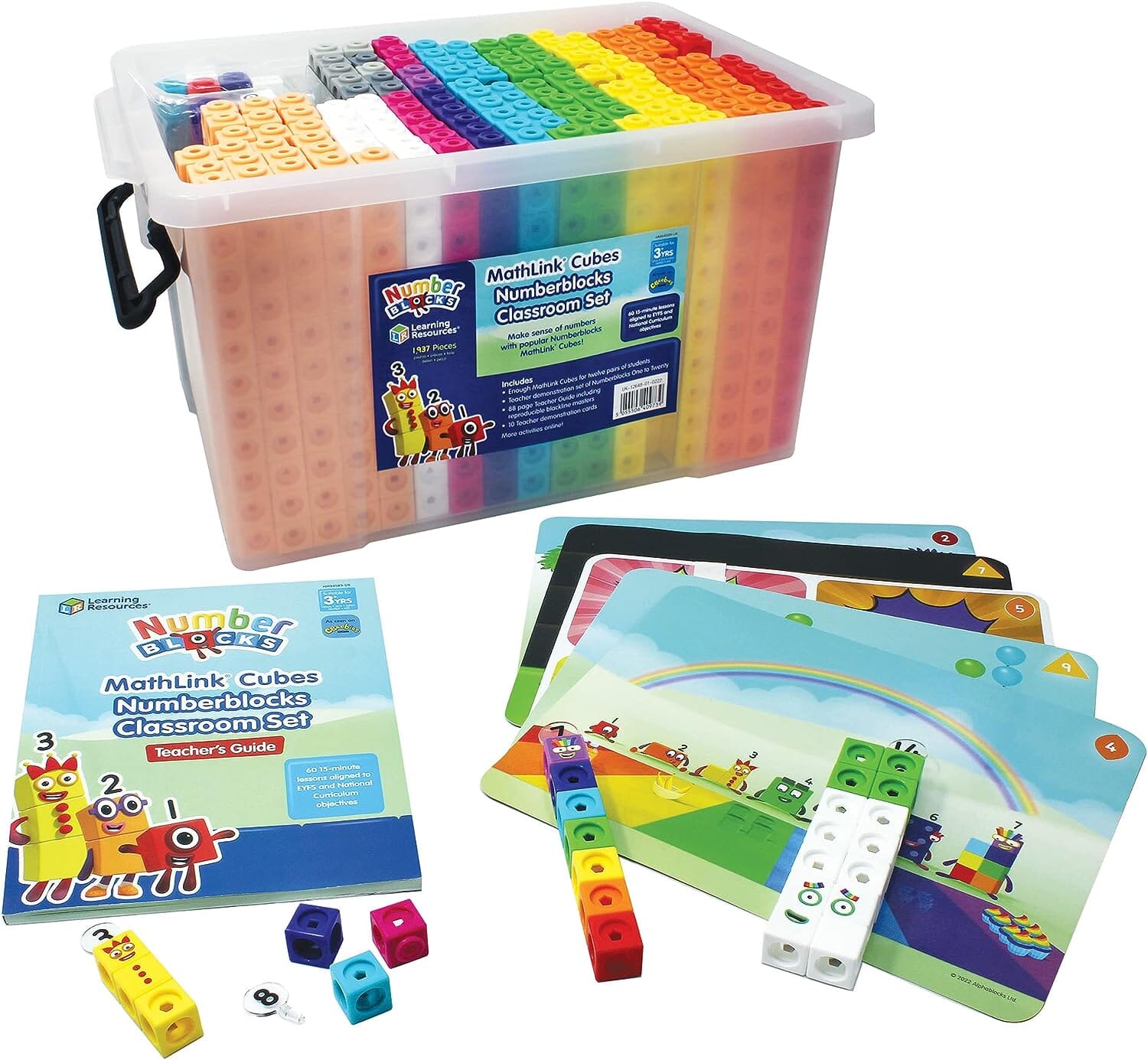
MathLink® Cubes Numberblocks Classroom Set - Ages 3+ - Educational Toy Learning ResourcesThis is the ultimate Numberblocks maths resources set developed to help teachers bring the maths concepts seen in the award-winning CBeebies TV series to life in the classroom. The set includes everything 12 pairs of pupils need to complete the 60 x 15-minute maths learning activities included in the comprehensive 88-page Teacher’s Guide. Activities align with the EYFS and National Curriculum objectives. The ultimate set for teachers to help children master maths by bringing the concepts shown in the award-winning TV series to life in the classroom. Developed to support maths learning in the classroom, this set uses the included comprehensive 88-page Teacher’s Guide to help children build essential early years maths skills including counting, place value, cardinality, subitising, composing and decomposing numbers, skip counting, addition, subtraction, and more for numbers 1-20. The quick and easy lessons incorporate group discussion and hands-on activities in 15 minutes. The Teacher’s Guide is split into three units. Unit one focuses on Numberblocks One to Five. Unit two focuses on Six to Ten, and unit three focuses on Eleven to Twenty. Lessons align with the EYFS and National Curriculum framework. The set has everything 12 pairs of pupils need to complete the activities featured in the Teacher’s Guide. Includes 1905 special edition Numberblocks MathLink Cubes, 20 Numberlings for One to Twenty, 5 double-sided demonstration cards, and the comprehensive Teacher’s Guide in a convenient storage tote.289,99 £*Shipping: 0,00 £Secure redirect to the provider


-
Does negative self-reflection or self-criticism decrease after puberty?
Negative self-reflection and self-criticism can vary from individual to individual and may not necessarily decrease after puberty. While some people may become more confident and self-assured as they mature, others may continue to struggle with self-criticism. Factors such as personality, life experiences, and mental health can all play a role in how individuals perceive and criticize themselves, regardless of their age. It is important to address and work on self-criticism through self-awareness, self-compassion, and seeking support if needed, regardless of age. **
-
How do I do a self-reflection?
Self-reflection can be done by setting aside some quiet time to think about your thoughts, feelings, and experiences. You can start by asking yourself open-ended questions such as "What are my strengths and weaknesses?" or "What have I learned from recent experiences?" Writing in a journal can also help to organize your thoughts and track your progress. It's important to be honest with yourself and to approach self-reflection with an open mind, allowing yourself to explore your emotions and thoughts without judgment. **
-
How do you write a self-reflection?
Writing a self-reflection involves looking back on a specific experience or period of time and analyzing your thoughts, feelings, and actions. Start by describing the experience and your initial reactions to it. Then, delve into your thoughts and emotions, considering how the experience impacted you and what you learned from it. Finally, reflect on how you can apply these insights to future situations or personal growth. It's important to be honest and open with yourself during the process, and to consider both the positive and negative aspects of the experience. **
-
Is the lack of self-reflection a foolishness?
Yes, the lack of self-reflection can be considered a form of foolishness. Self-reflection is important for personal growth, learning from past experiences, and making better decisions in the future. Without self-reflection, individuals may continue to repeat the same mistakes and fail to understand their own motivations and behaviors. Embracing self-reflection allows for greater self-awareness and can lead to wiser choices and a more fulfilling life. **


Can people be empathetic and still have self-reflection?
Yes, people can be empathetic and still have self-reflection. Empathy involves understanding and sharing the feelings of others, while self-reflection involves examining one's own thoughts, feelings, and behaviors. These two qualities are not mutually exclusive; in fact, they can complement each other. By being empathetic, individuals can better understand the perspectives and experiences of others, and through self-reflection, they can gain insight into their own emotions and motivations. This combination can lead to greater emotional intelligence and a deeper understanding of oneself and others. **
Is strong self-reflection a sign of high intelligence?
Strong self-reflection can be a sign of high intelligence, as it indicates an ability to critically analyze one's thoughts, actions, and beliefs. Intelligent individuals often possess the capacity for introspection and self-awareness, allowing them to recognize their strengths and weaknesses and make informed decisions. However, it's important to note that self-reflection alone is not a definitive indicator of high intelligence, as emotional intelligence, empathy, and other factors also play a role in overall intelligence. **
Top-Angebote
Products related to Self-reflection:
-
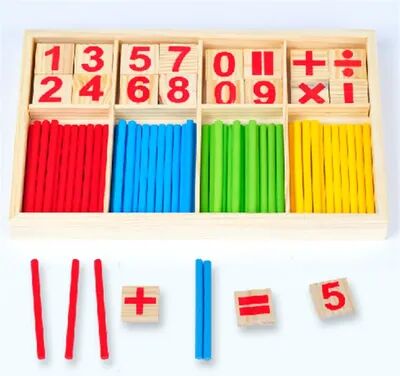
Smart Shopping Spot Wooden Digital Stick Educational Toys For Children, Montessori Math Teaching Aid For Knowledge Wooden Digital Stick Educational Toys For Children, Montessori Math Teaching Aid For KnowledgeFun and Engaging Learning Tool Introduce your child to the world of mathematics enlightenment with these Wooden Educational Toys. Designed to foster a love for learning, this Montessoriinspired tool uses digital sticks to make math both fun and...34,97 $*Shipping: 0,00 $Secure redirect to the provider
-
MathLink® Cubes Numberblocks Classroom Set - Ages 3+ - Educational Toy Learning ResourcesThis is the ultimate Numberblocks maths resources set developed to help teachers bring the maths concepts seen in the award-winning CBeebies TV series to life in the classroom. The set includes everything 12 pairs of pupils need to complete the 60 x 15-minute maths learning activities included in the comprehensive 88-page Teacher’s Guide. Activities align with the EYFS and National Curriculum objectives. The ultimate set for teachers to help children master maths by bringing the concepts shown in the award-winning TV series to life in the classroom. Developed to support maths learning in the classroom, this set uses the included comprehensive 88-page Teacher’s Guide to help children build essential early years maths skills including counting, place value, cardinality, subitising, composing and decomposing numbers, skip counting, addition, subtraction, and more for numbers 1-20. The quick and easy lessons incorporate group discussion and hands-on activities in 15 minutes. The Teacher’s Guide is split into three units. Unit one focuses on Numberblocks One to Five. Unit two focuses on Six to Ten, and unit three focuses on Eleven to Twenty. Lessons align with the EYFS and National Curriculum framework. The set has everything 12 pairs of pupils need to complete the activities featured in the Teacher’s Guide. Includes 1905 special edition Numberblocks MathLink Cubes, 20 Numberlings for One to Twenty, 5 double-sided demonstration cards, and the comprehensive Teacher’s Guide in a convenient storage tote.289,99 £*Shipping: 0,00 £Secure redirect to the provider
-
How can I practice self-observation and self-reflection?
One way to practice self-observation and self-reflection is to set aside dedicated time each day for introspection. This could involve journaling about your thoughts and feelings, meditating to quiet the mind and focus on your inner self, or simply taking a few moments to pause and reflect on your experiences. It's also helpful to seek feedback from others and be open to constructive criticism, as this can provide valuable insights into your behaviors and patterns. Lastly, practicing mindfulness and being present in the moment can help you become more aware of your thoughts and actions, leading to a deeper understanding of yourself. **
-
Is self-reflection spirituality for you?
Self-reflection can be a part of spirituality for me, as it allows me to connect with my inner self and understand my thoughts, emotions, and actions on a deeper level. Through self-reflection, I can gain insight into my beliefs, values, and purpose, which can contribute to my spiritual growth and development. It provides an opportunity for me to cultivate mindfulness and self-awareness, which are important aspects of my spiritual practice. Overall, self-reflection plays a significant role in my spiritual journey. **
-
Does negative self-reflection or self-criticism decrease after puberty?
Negative self-reflection and self-criticism can vary from individual to individual and may not necessarily decrease after puberty. While some people may become more confident and self-assured as they mature, others may continue to struggle with self-criticism. Factors such as personality, life experiences, and mental health can all play a role in how individuals perceive and criticize themselves, regardless of their age. It is important to address and work on self-criticism through self-awareness, self-compassion, and seeking support if needed, regardless of age. **
-
How do I do a self-reflection?
Self-reflection can be done by setting aside some quiet time to think about your thoughts, feelings, and experiences. You can start by asking yourself open-ended questions such as "What are my strengths and weaknesses?" or "What have I learned from recent experiences?" Writing in a journal can also help to organize your thoughts and track your progress. It's important to be honest with yourself and to approach self-reflection with an open mind, allowing yourself to explore your emotions and thoughts without judgment. **
Similar search terms for Self-reflection
-
How do you write a self-reflection?
Writing a self-reflection involves looking back on a specific experience or period of time and analyzing your thoughts, feelings, and actions. Start by describing the experience and your initial reactions to it. Then, delve into your thoughts and emotions, considering how the experience impacted you and what you learned from it. Finally, reflect on how you can apply these insights to future situations or personal growth. It's important to be honest and open with yourself during the process, and to consider both the positive and negative aspects of the experience. **
-
Is the lack of self-reflection a foolishness?
Yes, the lack of self-reflection can be considered a form of foolishness. Self-reflection is important for personal growth, learning from past experiences, and making better decisions in the future. Without self-reflection, individuals may continue to repeat the same mistakes and fail to understand their own motivations and behaviors. Embracing self-reflection allows for greater self-awareness and can lead to wiser choices and a more fulfilling life. **
-
Can people be empathetic and still have self-reflection?
Yes, people can be empathetic and still have self-reflection. Empathy involves understanding and sharing the feelings of others, while self-reflection involves examining one's own thoughts, feelings, and behaviors. These two qualities are not mutually exclusive; in fact, they can complement each other. By being empathetic, individuals can better understand the perspectives and experiences of others, and through self-reflection, they can gain insight into their own emotions and motivations. This combination can lead to greater emotional intelligence and a deeper understanding of oneself and others. **
-
Is strong self-reflection a sign of high intelligence?
Strong self-reflection can be a sign of high intelligence, as it indicates an ability to critically analyze one's thoughts, actions, and beliefs. Intelligent individuals often possess the capacity for introspection and self-awareness, allowing them to recognize their strengths and weaknesses and make informed decisions. However, it's important to note that self-reflection alone is not a definitive indicator of high intelligence, as emotional intelligence, empathy, and other factors also play a role in overall intelligence. **
* All prices are inclusive of VAT and, if applicable, plus shipping costs. The offer information is based on the details provided by the respective shop and is updated through automated processes. Real-time updates do not occur, so deviations can occur in individual cases. ** Note: Parts of this content were created by AI.