Buy educationpoints.eu ?
We are moving the project
educationpoints.eu .
Are you interested in purchasing the domain
educationpoints.eu ?
domain@kv-gmbh.de · 0541-91531010
Buy educationpoints.eu ?
What learning methods are there?
There are various learning methods that individuals can use to acquire new knowledge and skills. Some common methods include visual learning, where information is absorbed through images and graphics; auditory learning, where information is learned through listening; kinesthetic learning, where individuals learn through physical activities and hands-on experiences; and reading/writing learning, where information is processed through reading and writing. Additionally, other methods such as group discussions, online courses, and practical application can also be effective ways to learn. **
What are successful learning methods?
Successful learning methods include active engagement with the material, such as through hands-on activities, discussions, and problem-solving. Additionally, breaking down complex information into smaller, more manageable chunks can help with understanding and retention. Regular review and practice of the material, as well as seeking out additional resources and support when needed, are also important for successful learning. Finally, setting specific, achievable goals and tracking progress can help to stay motivated and focused on the learning process. **
Similar search terms for Methods
Top-Angebote
Products related to Methods:
-
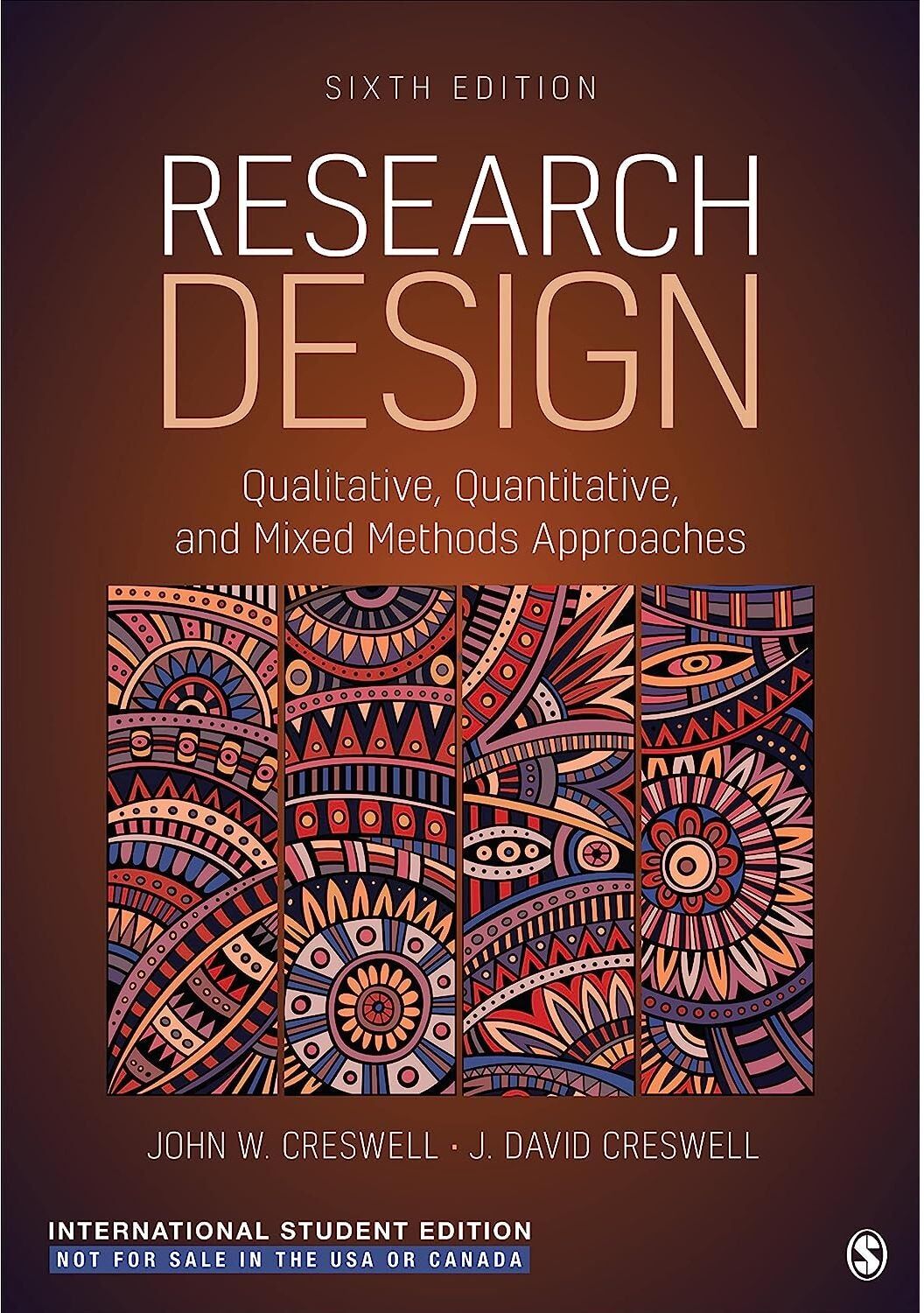
SAGE Publications Research Design - International Student Edition: Qualitative, Quantitative, and Mixed Methods ApproachesThe new edition of the best-selling text, Research Design: Qualitative, Quantitative, and Mixed Methods Approaches, continues the pioneering tradition of providing clear and concise instruction for understanding research and developing proposals for all three approaches. John W. Creswell and co-author J. David Creswell include a preliminary consideration of philosophical assumptions, a review of the literature, an assessment of the use of theory in research approaches, and reflections about the importance of writing and ethics in scholarly inquiry in a way that is applicable to all types of research. Key elements of the research process, giving specific attention to each approach. The book has been lauded for its language and tone, which are both accessible and inviting. It is a text that students keep and continue to use as a resource throughout their studies, once the specific class is over. The Sixth Edition includes more coverage of community-based participatory research, comparisons of qualitative and quantitative research, an expanded glossary with basic terms, updated examples of social, behavioural, and health research, new coverage of ethical requirements, updated APA 7th edition coverage, and additional exercises aimed at research projects.59,95 £*Shipping: 0,00 £Secure redirect to the provider
-
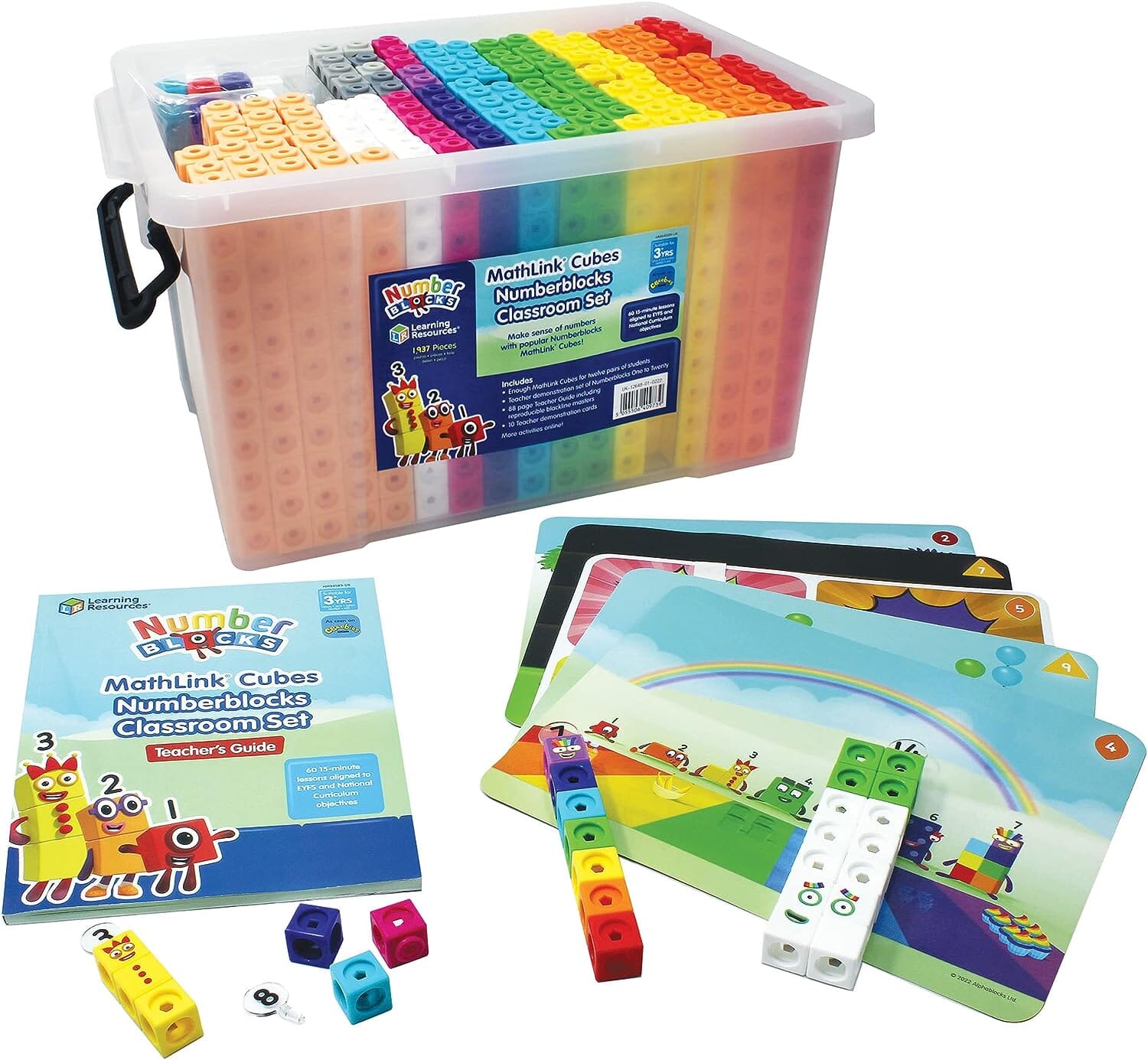
MathLink® Cubes Numberblocks Classroom Set - Ages 3+ - Educational Toy Learning ResourcesThis is the ultimate Numberblocks maths resources set developed to help teachers bring the maths concepts seen in the award-winning CBeebies TV series to life in the classroom. The set includes everything 12 pairs of pupils need to complete the 60 x 15-minute maths learning activities included in the comprehensive 88-page Teacher’s Guide. Activities align with the EYFS and National Curriculum objectives. The ultimate set for teachers to help children master maths by bringing the concepts shown in the award-winning TV series to life in the classroom. Developed to support maths learning in the classroom, this set uses the included comprehensive 88-page Teacher’s Guide to help children build essential early years maths skills including counting, place value, cardinality, subitising, composing and decomposing numbers, skip counting, addition, subtraction, and more for numbers 1-20. The quick and easy lessons incorporate group discussion and hands-on activities in 15 minutes. The Teacher’s Guide is split into three units. Unit one focuses on Numberblocks One to Five. Unit two focuses on Six to Ten, and unit three focuses on Eleven to Twenty. Lessons align with the EYFS and National Curriculum framework. The set has everything 12 pairs of pupils need to complete the activities featured in the Teacher’s Guide. Includes 1905 special edition Numberblocks MathLink Cubes, 20 Numberlings for One to Twenty, 5 double-sided demonstration cards, and the comprehensive Teacher’s Guide in a convenient storage tote.289,99 £*Shipping: 0,00 £Secure redirect to the provider

-
What are some fun learning methods?
Some fun learning methods include gamification, where educational content is presented in a game-like format to engage learners; hands-on activities, such as experiments or projects, that allow for interactive learning experiences; and group discussions or debates that encourage critical thinking and collaboration. Additionally, incorporating multimedia resources like videos, podcasts, or interactive simulations can make learning more engaging and enjoyable. Ultimately, finding ways to make learning interactive, relevant, and enjoyable can help make the educational experience more fun and effective. **
-
What are good methods for learning?
Good methods for learning include active engagement with the material, such as taking notes, asking questions, and participating in discussions. It is also helpful to break down the information into smaller chunks and review it regularly to reinforce learning. Additionally, seeking out different resources like books, videos, or online courses can provide a variety of perspectives and help deepen understanding. Finally, teaching the material to someone else can be a powerful way to solidify your own knowledge. **
-
What are your effective learning methods?
My effective learning methods include breaking down complex information into smaller, more manageable chunks, using visual aids such as diagrams and charts to help me understand and remember concepts, and actively engaging with the material through practice problems and discussions. I also find that teaching the material to someone else helps solidify my understanding and retention of the information. Additionally, I make sure to take regular breaks and get plenty of rest to maintain focus and productivity while studying. **
-
What are your best learning methods?
My best learning methods involve a combination of visual, auditory, and hands-on techniques. I find that I learn best when I can see information presented visually, such as through diagrams, charts, or videos. Additionally, I benefit from hearing information explained aloud, whether through lectures, podcasts, or discussions. Finally, I learn effectively by engaging in hands-on activities or practical applications of the material, which helps me solidify my understanding. Overall, a multi-modal approach to learning works best for me. **

What learning methods do I need?
The learning methods you need will depend on your individual learning style and the subject matter you are trying to learn. Some effective learning methods include active learning, such as practicing problems or teaching the material to someone else, using visual aids like diagrams or charts, and seeking out real-world applications of the material. Additionally, incorporating regular review and practice into your study routine can help reinforce your understanding of the material. Experimenting with different methods and finding what works best for you will ultimately lead to more effective learning. **
Is statistics and methods of teaching difficult?
Statistics and methods of teaching can be challenging for some individuals, as they require a strong understanding of mathematical concepts and the ability to apply them in an educational context. However, with dedication and practice, these subjects can be mastered. It is important to seek out resources such as textbooks, online tutorials, and study groups to help improve understanding and proficiency in these areas. With consistent effort and a positive attitude, statistics and methods of teaching can become more manageable and even enjoyable. **
Top-Angebote
Products related to Methods:
-
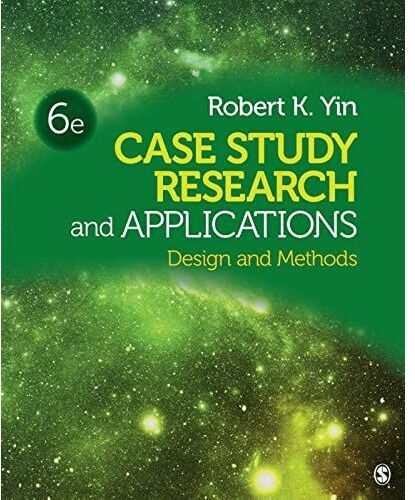
SAGE Publications Case Study Research and Applications: Design and MethodsRecognized as one of the most cited methodology books in the social sciences, the Sixth Edition of Robert K. Yin′s bestselling text provides a complete portal to the world of case study research. With the integration of 11 applications in this edition, the book gives readers access to exemplary case studies drawn from a wide variety of academic and applied fields. Ultimately, Case Study Research and Applications will guide students in the successful use and application of the case study research method.59,99 £*Shipping: 0,00 £Secure redirect to the provider
-
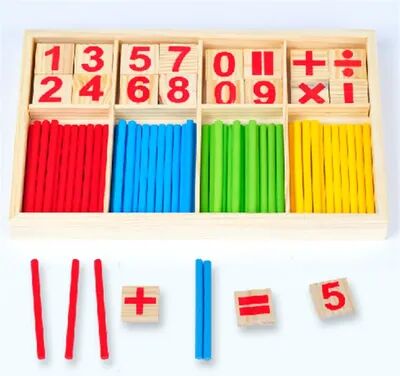
Smart Shopping Spot Wooden Digital Stick Educational Toys For Children, Montessori Math Teaching Aid For Knowledge Wooden Digital Stick Educational Toys For Children, Montessori Math Teaching Aid For KnowledgeFun and Engaging Learning Tool Introduce your child to the world of mathematics enlightenment with these Wooden Educational Toys. Designed to foster a love for learning, this Montessoriinspired tool uses digital sticks to make math both fun and...34,97 $*Shipping: 0,00 $Secure redirect to the provider
-
What learning methods are there?
There are various learning methods that individuals can use to acquire new knowledge and skills. Some common methods include visual learning, where information is absorbed through images and graphics; auditory learning, where information is learned through listening; kinesthetic learning, where individuals learn through physical activities and hands-on experiences; and reading/writing learning, where information is processed through reading and writing. Additionally, other methods such as group discussions, online courses, and practical application can also be effective ways to learn. **
-
What are successful learning methods?
Successful learning methods include active engagement with the material, such as through hands-on activities, discussions, and problem-solving. Additionally, breaking down complex information into smaller, more manageable chunks can help with understanding and retention. Regular review and practice of the material, as well as seeking out additional resources and support when needed, are also important for successful learning. Finally, setting specific, achievable goals and tracking progress can help to stay motivated and focused on the learning process. **
-
What are some fun learning methods?
Some fun learning methods include gamification, where educational content is presented in a game-like format to engage learners; hands-on activities, such as experiments or projects, that allow for interactive learning experiences; and group discussions or debates that encourage critical thinking and collaboration. Additionally, incorporating multimedia resources like videos, podcasts, or interactive simulations can make learning more engaging and enjoyable. Ultimately, finding ways to make learning interactive, relevant, and enjoyable can help make the educational experience more fun and effective. **
-
What are good methods for learning?
Good methods for learning include active engagement with the material, such as taking notes, asking questions, and participating in discussions. It is also helpful to break down the information into smaller chunks and review it regularly to reinforce learning. Additionally, seeking out different resources like books, videos, or online courses can provide a variety of perspectives and help deepen understanding. Finally, teaching the material to someone else can be a powerful way to solidify your own knowledge. **
Similar search terms for Methods
-
SAGE Publications Research Design - International Student Edition: Qualitative, Quantitative, and Mixed Methods ApproachesThe new edition of the best-selling text, Research Design: Qualitative, Quantitative, and Mixed Methods Approaches, continues the pioneering tradition of providing clear and concise instruction for understanding research and developing proposals for all three approaches. John W. Creswell and co-author J. David Creswell include a preliminary consideration of philosophical assumptions, a review of the literature, an assessment of the use of theory in research approaches, and reflections about the importance of writing and ethics in scholarly inquiry in a way that is applicable to all types of research. Key elements of the research process, giving specific attention to each approach. The book has been lauded for its language and tone, which are both accessible and inviting. It is a text that students keep and continue to use as a resource throughout their studies, once the specific class is over. The Sixth Edition includes more coverage of community-based participatory research, comparisons of qualitative and quantitative research, an expanded glossary with basic terms, updated examples of social, behavioural, and health research, new coverage of ethical requirements, updated APA 7th edition coverage, and additional exercises aimed at research projects.59,95 £*Shipping: 0,00 £Secure redirect to the provider
-
MathLink® Cubes Numberblocks Classroom Set - Ages 3+ - Educational Toy Learning ResourcesThis is the ultimate Numberblocks maths resources set developed to help teachers bring the maths concepts seen in the award-winning CBeebies TV series to life in the classroom. The set includes everything 12 pairs of pupils need to complete the 60 x 15-minute maths learning activities included in the comprehensive 88-page Teacher’s Guide. Activities align with the EYFS and National Curriculum objectives. The ultimate set for teachers to help children master maths by bringing the concepts shown in the award-winning TV series to life in the classroom. Developed to support maths learning in the classroom, this set uses the included comprehensive 88-page Teacher’s Guide to help children build essential early years maths skills including counting, place value, cardinality, subitising, composing and decomposing numbers, skip counting, addition, subtraction, and more for numbers 1-20. The quick and easy lessons incorporate group discussion and hands-on activities in 15 minutes. The Teacher’s Guide is split into three units. Unit one focuses on Numberblocks One to Five. Unit two focuses on Six to Ten, and unit three focuses on Eleven to Twenty. Lessons align with the EYFS and National Curriculum framework. The set has everything 12 pairs of pupils need to complete the activities featured in the Teacher’s Guide. Includes 1905 special edition Numberblocks MathLink Cubes, 20 Numberlings for One to Twenty, 5 double-sided demonstration cards, and the comprehensive Teacher’s Guide in a convenient storage tote.289,99 £*Shipping: 0,00 £Secure redirect to the provider
-
Perfect Picks Market Kids Learning Clock Silent Analog Teaching Wall Clock For Classroom & Bedroom Inch white 10 InchTransform learning into an exciting daily adventure with this Kids learning clock designed to help children master time with confidence. Featuring colorful numbers, clearly marked hands, and an easytoread analog display, it's perfect for young...69,97 $*Shipping: 0,00 $Secure redirect to the provider
-
What are your effective learning methods?
My effective learning methods include breaking down complex information into smaller, more manageable chunks, using visual aids such as diagrams and charts to help me understand and remember concepts, and actively engaging with the material through practice problems and discussions. I also find that teaching the material to someone else helps solidify my understanding and retention of the information. Additionally, I make sure to take regular breaks and get plenty of rest to maintain focus and productivity while studying. **
-
What are your best learning methods?
My best learning methods involve a combination of visual, auditory, and hands-on techniques. I find that I learn best when I can see information presented visually, such as through diagrams, charts, or videos. Additionally, I benefit from hearing information explained aloud, whether through lectures, podcasts, or discussions. Finally, I learn effectively by engaging in hands-on activities or practical applications of the material, which helps me solidify my understanding. Overall, a multi-modal approach to learning works best for me. **
-
What learning methods do I need?
The learning methods you need will depend on your individual learning style and the subject matter you are trying to learn. Some effective learning methods include active learning, such as practicing problems or teaching the material to someone else, using visual aids like diagrams or charts, and seeking out real-world applications of the material. Additionally, incorporating regular review and practice into your study routine can help reinforce your understanding of the material. Experimenting with different methods and finding what works best for you will ultimately lead to more effective learning. **
-
Is statistics and methods of teaching difficult?
Statistics and methods of teaching can be challenging for some individuals, as they require a strong understanding of mathematical concepts and the ability to apply them in an educational context. However, with dedication and practice, these subjects can be mastered. It is important to seek out resources such as textbooks, online tutorials, and study groups to help improve understanding and proficiency in these areas. With consistent effort and a positive attitude, statistics and methods of teaching can become more manageable and even enjoyable. **
* All prices are inclusive of VAT and, if applicable, plus shipping costs. The offer information is based on the details provided by the respective shop and is updated through automated processes. Real-time updates do not occur, so deviations can occur in individual cases. ** Note: Parts of this content were created by AI.